
What is Trenchless Drain Repair ?

April 27, 2026

The Modern Solution: What is Trenchless Drain Repair?

Traditionally, repairing a broken sewer pipe meant turning your garden or driveway into a construction site. Trenchless drain repair (also known as "no-dig" technology) has revolutionised this process, allowing for the restoration of underground pipework without the need for destructive excavation.


How Trenchless Drain Repair Works

Trenchless repair typically involves two primary methods: CIPP (Cured-In-Place Pipe) lining and pipe bursting. In CIPP lining, a flexible tube coated with resin is inserted into the damaged pipe. Once inflated and cured, it creates a "pipe-within-a-pipe" that is seamless, durable, and resistant to root intrusion. Pipe bursting, conversely, involves pulling a new pipe through the old one, breaking the damaged exterior outward as it progresses.


What Can a DIY User Tackle?

Trenchless repair is highly technical and requires specialized industrial equipment. However, a property owner can handle the preliminary maintenance that prevents the need for major repairs:

  • Minor Descaling: Using eco-friendly biological cleaners to remove light buildup.
  • Plunger/Auger Work: Clearing simple soft blockages near the drain entry.
  • Visual Monitoring: Checking gullies and manholes for standing water or unusual odors.

If a pipe is physically cracked, collapsed, or infiltrated by tree roots, DIY "quick fixes" like pouring chemicals down the drain will likely worsen the damage.


When to Call the Professionals

Commercial drainage companies are required when the structural integrity of the pipe is compromised. You should seek professional help if:

  1. Persistent Blockages: Recurring clogs often indicate a structural break that only a CCTV Drain Survey can identify.
  2. Structural Damage: Only experts possess the hydraulic rams and epoxy resins needed for CIPP or pipe bursting.
  3. Complex Layouts: Underground pipework involves navigating bends and junctions that require precision calibration.

Ultimately, while users can maintain flow through hygiene, trenchless repair is a precision engineering task. Engaging a professional early ensures a permanent fix that saves time, money, and your landscaping.

Understanding Concrete Removal in Drains, Sewers and Underground Pipework
By Darren Mack April 27, 2026
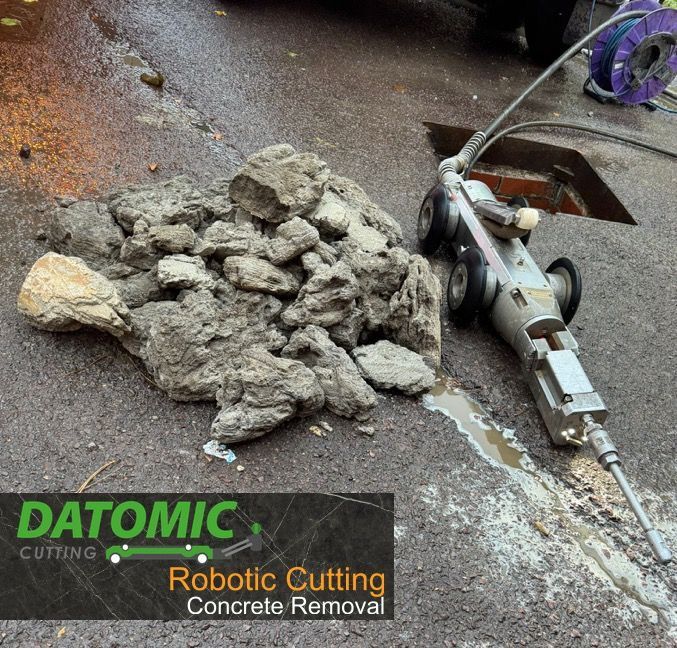
How to Remove Concrete from Drains, Sewers, and Underground Pipes Concrete blockages in sewer lines are among the most challenging drainage issues to resolve. Whether it’s wet cement, grout, or self-levelling compounds washed down during a renovation, these materials can quickly transform from a liquid nuisance into a rock-hard obstruction. If left untreated, concrete restricts water flow, causes backups, and can eventually crack your pipework. Here is everything you need to know about identifying and removing concrete from your drainage system. Common Causes of Concrete Blockages Most concrete-related drainage issues occur accidentally during construction or home DIY projects. Common culprits include: Construction Runoff: Cement or mortar washed into floor drains. Renovation Debris: Grout and adhesive from tiling projects. Vandalism: Rare, but deliberate disposal of materials into external manholes. Can You Remove Concrete from Drains Yourself? For very minor, recent incidents where the material is still wet, you may be able to mitigate damage: Flush with Water: Use large volumes of water immediately to prevent the cement from settling and hardening. Softening Agents: Mild, biodegradable cement-softeners are available for surface cleaning. Warning: Never use harsh acids or unapproved chemicals. These can corrode your pipes (especially older lead or pitch-fibre pipes) and contaminate local groundwater. If the water stops draining entirely, stop immediately and call a professional. Professional Concrete Removal Techniques Once concrete has hardened, standard plunging or DIY snakes will not work. Professional drainage engineers utilise specialised technology to clear the line without digging up your garden. 1. CCTV Drain Surveys Before any work begins, a CCTV drain survey is essential. A high-definition camera is fed into the pipe to pinpoint the exact location, thickness, and density of the concrete. This prevents guesswork and ensures the right equipment is used. 2. High-Pressure Hydro-Blasting & Hydro-Cutting This is the gold standard for concrete removal. Using computer-controlled, ultra-high-pressure water jets, engineers can: Precision Cutting: The water jet acts like a blade, carving through the concrete. Safe Removal: It breaks the concrete into small fragments that can be flushed out without damaging the pipe walls. Eco-Friendly: This method uses no chemicals, making it the safest choice for the environment. 3. Mechanical Descaling In some instances, specialised robotic cutters are used to "grind" away the concrete. This is particularly effective for thick blockages in larger commercial sewer lines.  When Excavation is Necessary In severe cases where the concrete has caused the pipe to fracture or collapse, excavation and pipe replacement may be the only permanent solution. Professional drainage engineers can handle these complex repairs, ensuring the system is reinstated to modern safety standards. Final Thoughts Early detection is key. If you suspect concrete has entered your system, a swift professional assessment can save you thousands in excavation costs. Are you dealing with a stubborn blockage? Contact a drainage specialist today for a CCTV survey and restore your flow.
What Causes Concrete Blockages in Underground Pipework?
By Darren Mack April 27, 2026
What Causes Concrete Blockages in Underground Pipework?, Understanding and dealing with stuck concrete in drains, sewers, underground pipework and drainage