Understanding Concrete Removal in Drains, Sewers and Underground Pipework

April 27, 2026

How to Remove Concrete from Drains, Sewers, and Underground Pipes

Concrete blockages in sewer lines are among the most challenging drainage issues to resolve. Whether it’s wet cement, grout, or self-levelling compounds washed down during a renovation, these materials can quickly transform from a liquid nuisance into a rock-hard obstruction.

If left untreated, concrete restricts water flow, causes backups, and can eventually crack your pipework. Here is everything you need to know about identifying and removing concrete from your drainage system.


Common Causes of Concrete Blockages

Most concrete-related drainage issues occur accidentally during construction or home DIY projects. Common culprits include:

  • Construction Runoff: Cement or mortar washed into floor drains.
  • Renovation Debris: Grout and adhesive from tiling projects.
  • Vandalism: Rare, but deliberate disposal of materials into external manholes.


Can You Remove Concrete from Drains Yourself?

For very minor, recent incidents where the material is still wet, you may be able to mitigate damage:

  1. Flush with Water: Use large volumes of water immediately to prevent the cement from settling and hardening.
  2. Softening Agents: Mild, biodegradable cement-softeners are available for surface cleaning.
Warning: Never use harsh acids or unapproved chemicals. These can corrode your pipes (especially older lead or pitch-fibre pipes) and contaminate local groundwater. If the water stops draining entirely, stop immediately and call a professional.

Professional Concrete Removal Techniques

Once concrete has hardened, standard plunging or DIY snakes will not work. Professional drainage engineers utilise specialised technology to clear the line without digging up your garden.


1. CCTV Drain Surveys

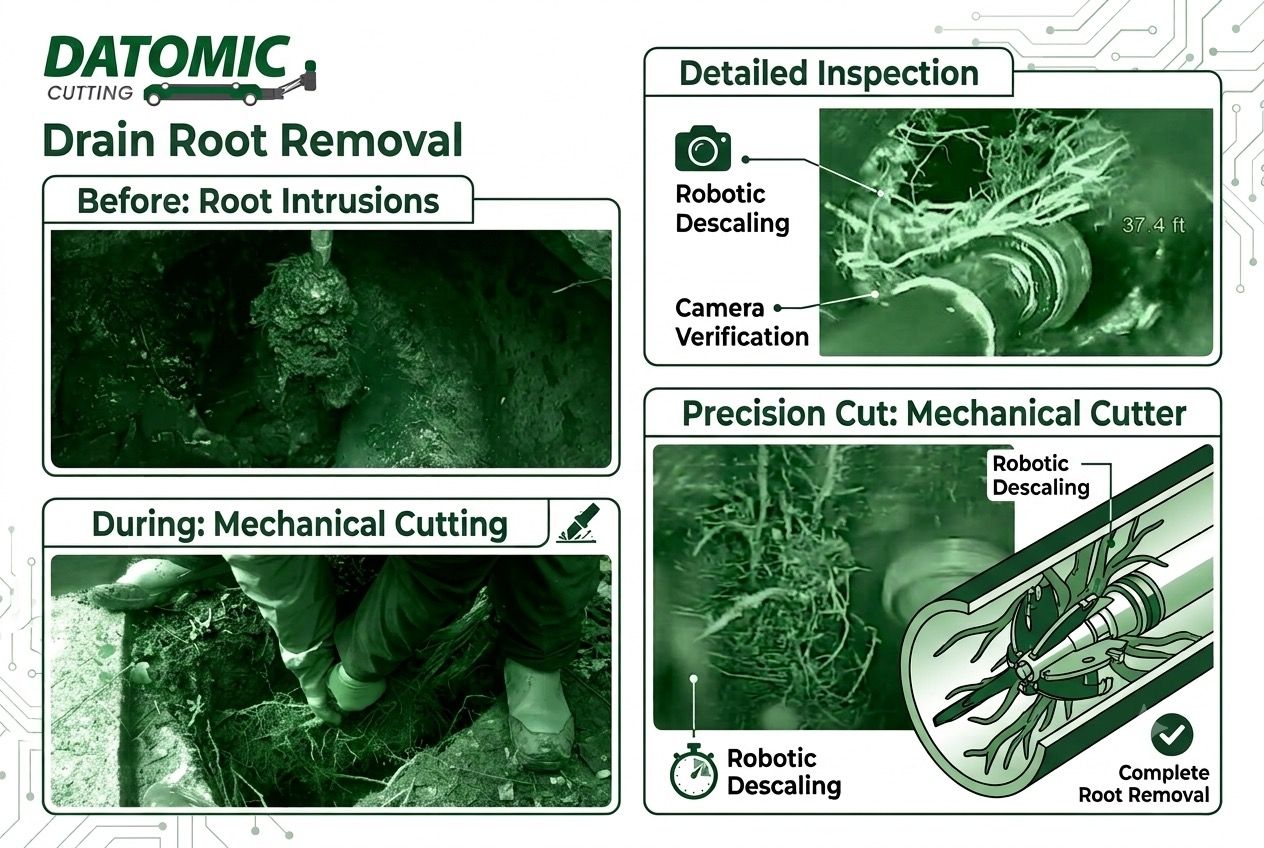
Before any work begins, a CCTV drain survey is essential. A high-definition camera is fed into the pipe to pinpoint the exact location, thickness, and density of the concrete. This prevents guesswork and ensures the right equipment is used.


2. High-Pressure Hydro-Blasting & Hydro-Cutting

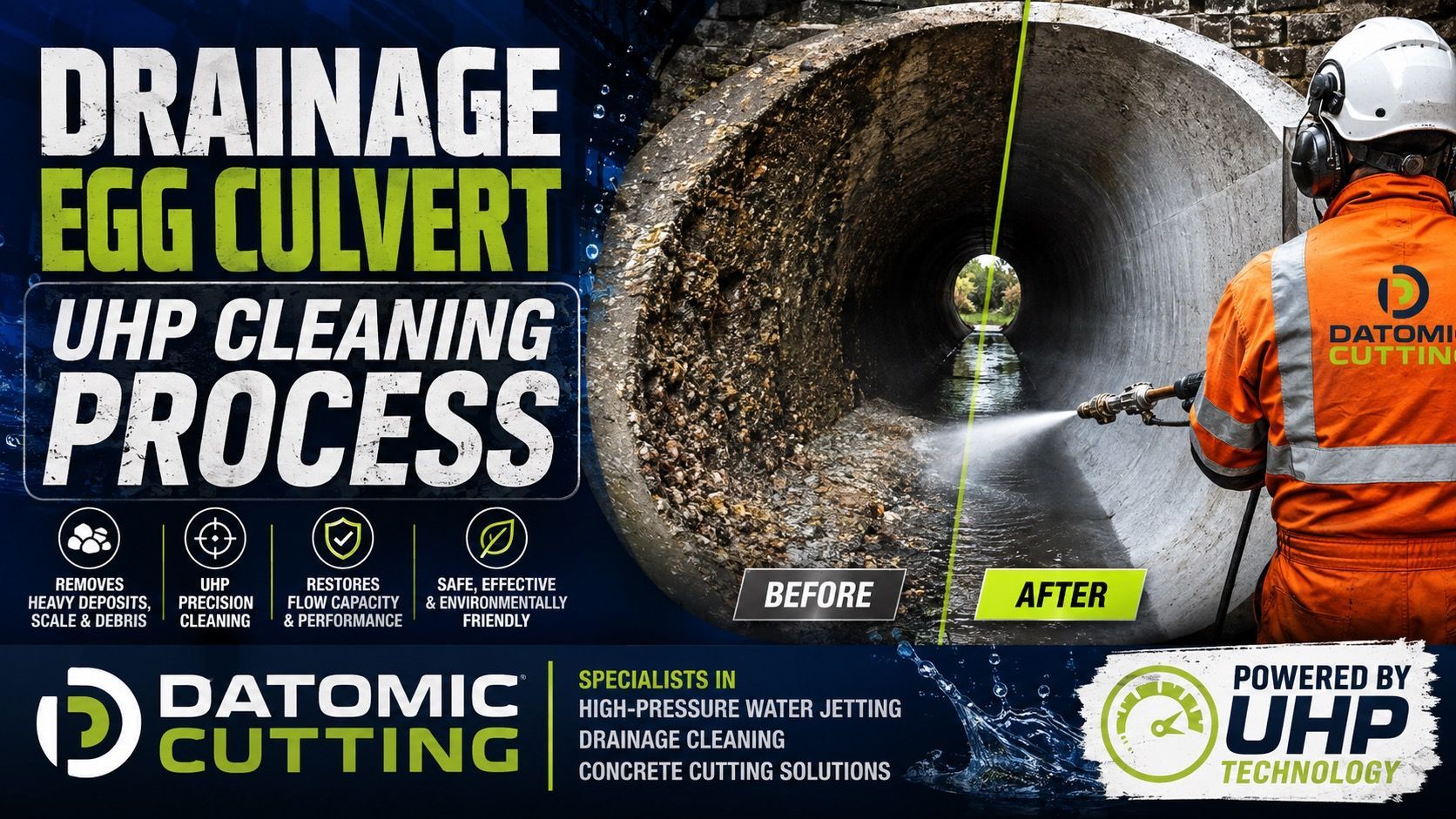
This is the gold standard for concrete removal. Using computer-controlled, ultra-high-pressure water jets, engineers can:

  • Precision Cutting: The water jet acts like a blade, carving through the concrete.
  • Safe Removal: It breaks the concrete into small fragments that can be flushed out without damaging the pipe walls.
  • Eco-Friendly: This method uses no chemicals, making it the safest choice for the environment.

3. Mechanical Descaling

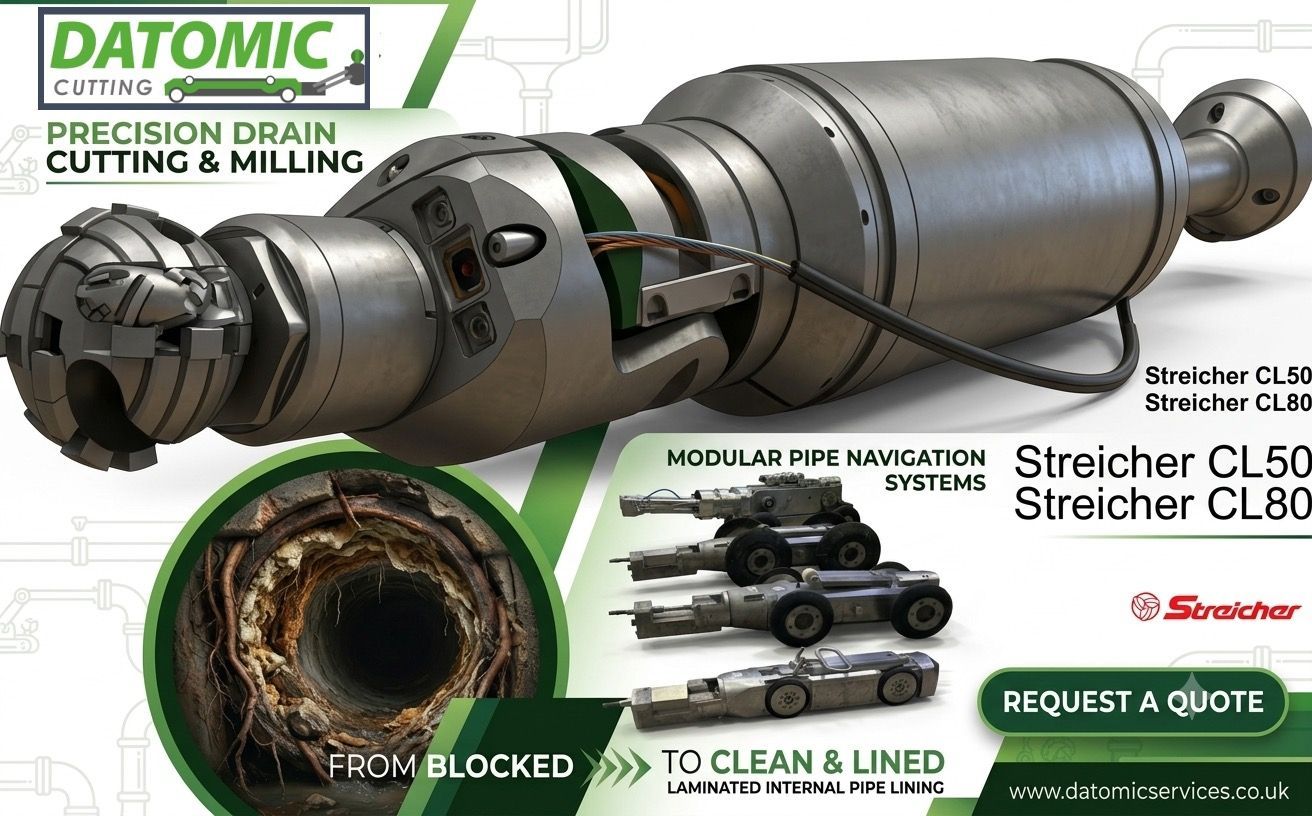
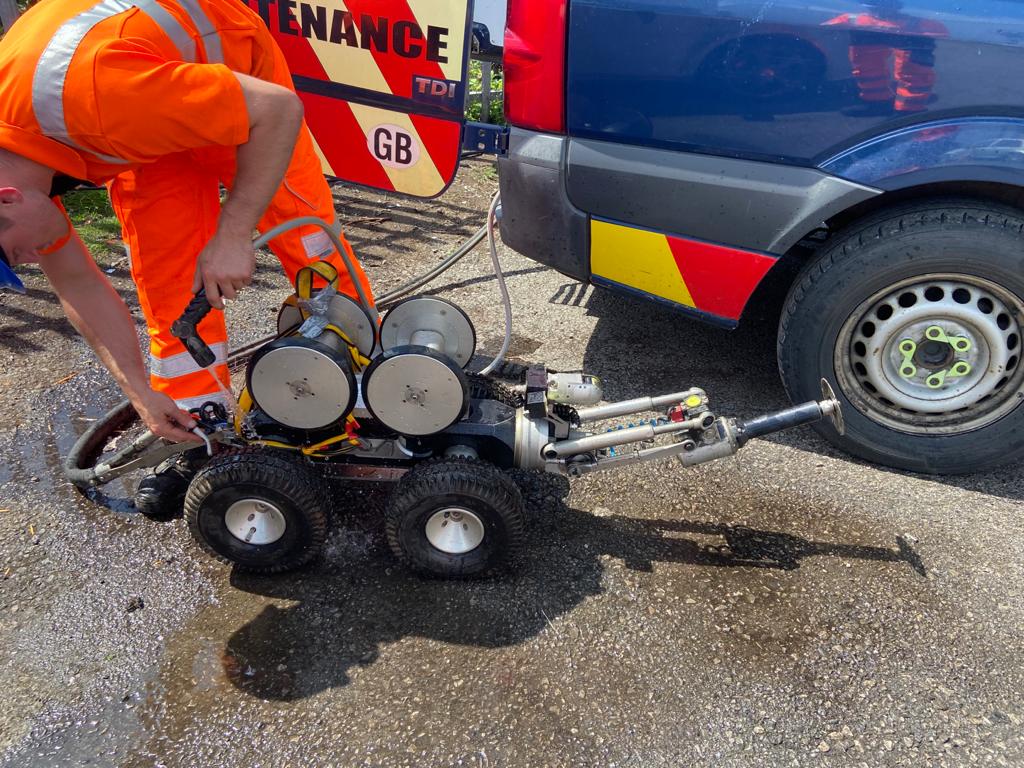
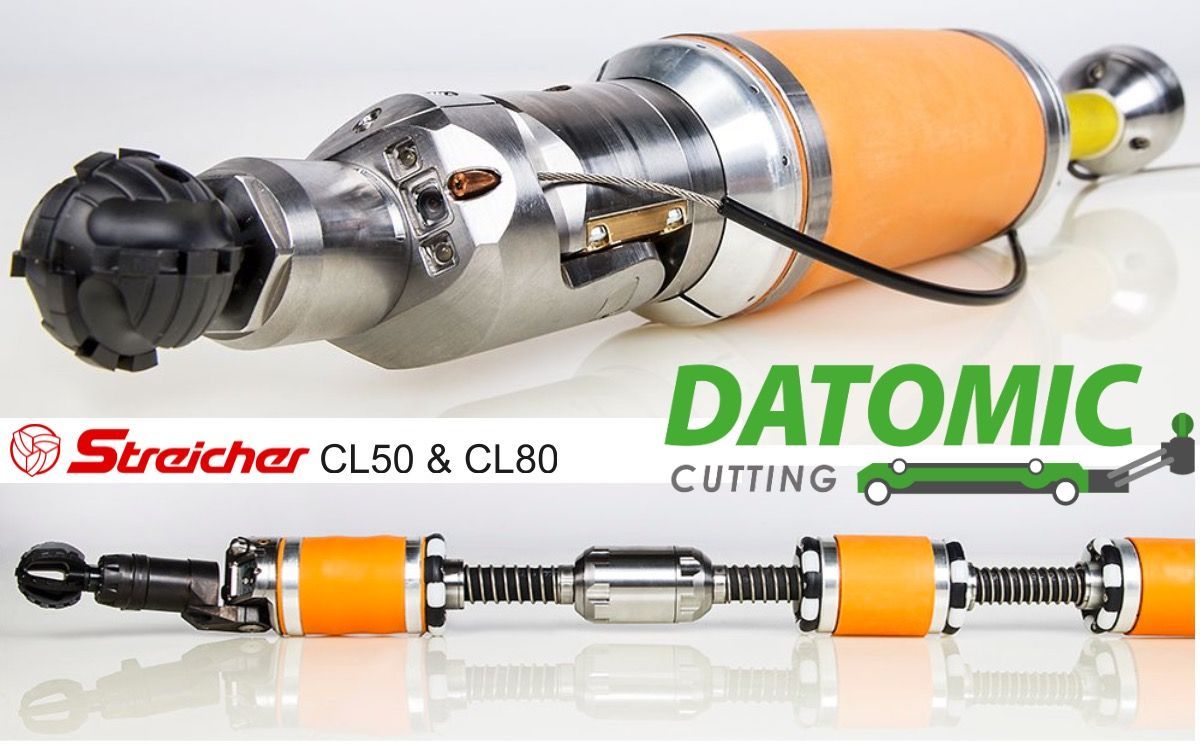
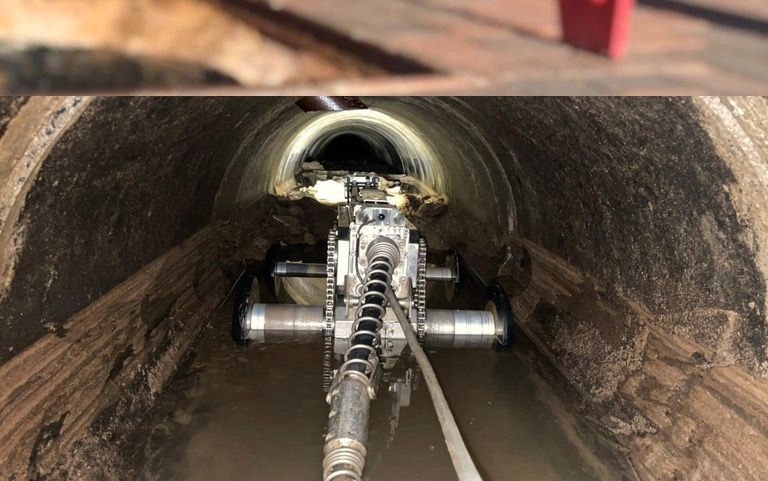
In some instances, specialised robotic cutters are used to "grind" away the concrete. This is particularly effective for thick blockages in larger commercial sewer lines.


When Excavation is Necessary

In severe cases where the concrete has caused the pipe to fracture or collapse, excavation and pipe replacement may be the only permanent solution. Professional drainage engineers can handle these complex repairs, ensuring the system is reinstated to modern safety standards.


Final Thoughts

Early detection is key. If you suspect concrete has entered your system, a swift professional assessment can save you thousands in excavation costs. Are you dealing with a stubborn blockage? Contact a drainage specialist today for a CCTV survey and restore your flow.
July 25, 2026
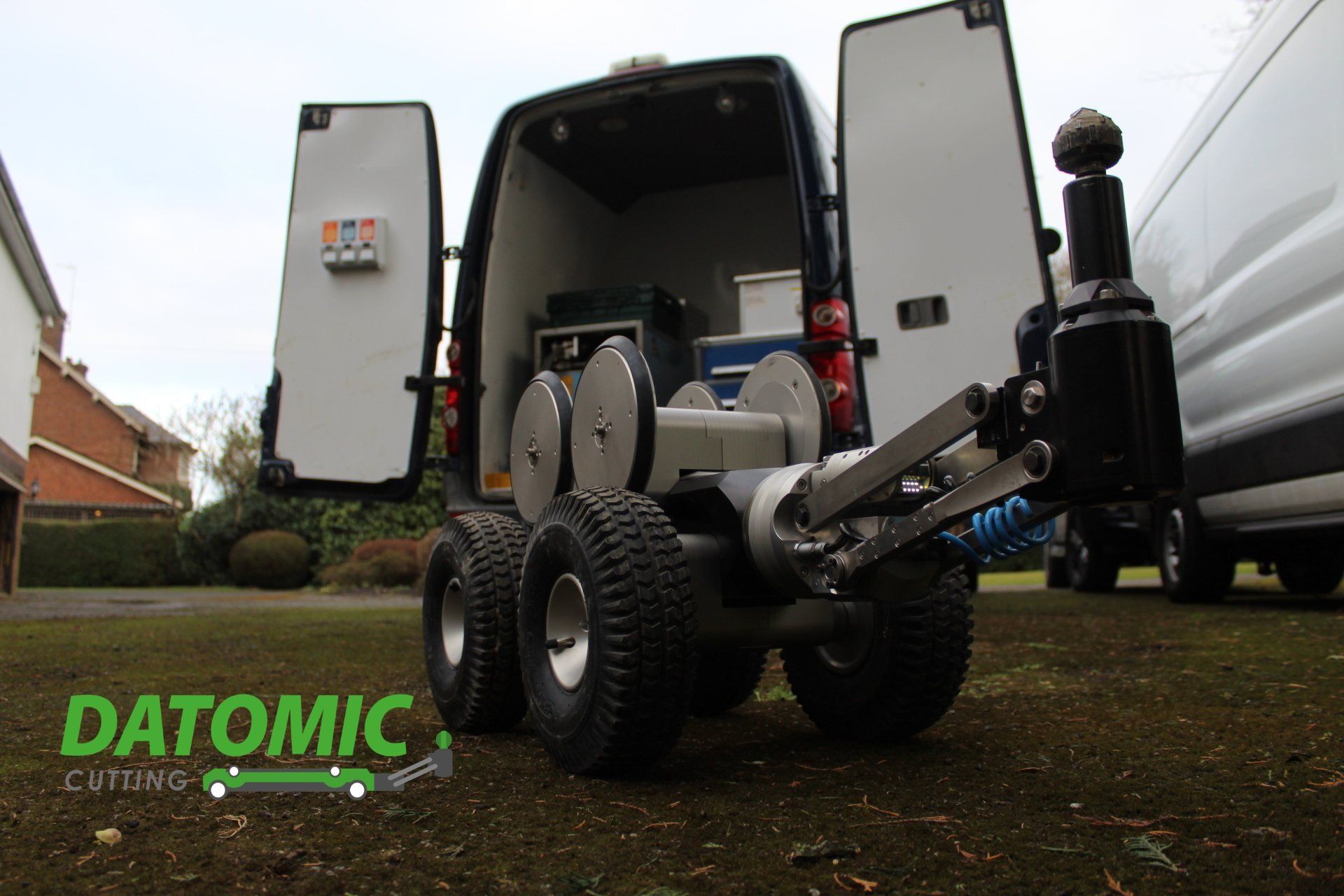
Understanding Drain Milling and Trenchless Robotic Cutting: The Future of Precision Drainage Solutions As infrastructure ages and commercial drainage systems become increasingly complex, drain milling and trenchless robotic cutting have become essential technologies for maintaining underground pipework without costly excavation. These innovative no-dig drainage solutions allow engineers to remove stubborn obstructions, restore pipe capacity, and reinstate lateral connections while keeping disruption to an absolute minimum. For contractors, local authorities, utilities and commercial property managers, investing in precision robotic drain cutting services delivers faster project completion, lower costs and superior long-term performance. What is Drain Milling? Drain milling is a specialist trenchless engineering process that removes hard deposits and structural obstructions from inside drainage systems using remotely operated robotic equipment. Unlike traditional excavation, drain milling is performed from an existing access point, preserving roads, landscaping and surrounding infrastructure. Common applications include: Concrete removal from drains Tree root cutting and removal Limescale and mineral deposit removal Cement and grout obstruction removal Reinstatement of lateral connections following drain lining Removal of protruding junctions and failed liners Cutting through steel reinforcement and foreign objects Because the process is monitored continuously with high-definition CCTV, operators achieve exceptional accuracy while protecting the integrity of the host pipe. The Advantages of Trenchless Robotic Cutting Modern robotic sewer cutting has transformed the drainage industry. Rather than excavating large sections of pipework, remotely controlled cutting robots travel deep into drainage networks carrying specialist milling heads, grinding tools or ultra-high-pressure cutting systems. The benefits include: Reduced excavation costs Minimal disruption to businesses and highways Faster project completion Why Precision Engineering MattersImproved operator safety Greater environmental sustainability Precise, repeatable cutting Suitable for complex commercial drainage systems These technologies are particularly valuable where access is limited or excavation would be prohibitively expensive. Why Precision Engineering Matters The success of any drain milling operation depends on the quality of both the equipment and the engineers operating it. Precision engineering ensures that obstructions are removed without damaging the surrounding pipework, extending the lifespan of drainage assets while reducing future maintenance costs. Industry-leading providers such as Datomic Cutting have invested heavily in advanced German-engineered robotic technology to deliver consistent, high-quality results across commercial and industrial drainage projects throughout the UK. Their remotely operated systems combine live CCTV inspection with precision milling to restore flow while preserving existing infrastructure. Advanced Robotics: Steiner and ProKASRO Technology Premium robotic cutting systems from manufacturers including Steiner and ProKASRO represent the cutting edge of trenchless drainage engineering. These sophisticated robotic platforms offer: 360° precision cutting capability High-torque milling motors Remote operation over long pipe distances Self-propelled robotic platforms Pan-and-tilt CCTV inspection cameras Battery and pneumatic operating options Capability to work within large-diameter pipes and challenging culvert systems Combined with ultra-high-pressure water cutting, these robots can remove concrete, roots, scale, failed liners and reinforced obstructions while maintaining exceptional cutting accuracy. Choosing a Specialist Drain Milling Provider When selecting a contractor, experience and specialist equipment are critical. Providers such as Datomic Cutting specialise exclusively in robotic cutting, drain milling and trenchless obstruction removal, offering nationwide support for commercial drainage projects. Using advanced robotic platforms, CCTV diagnostics and precision engineering techniques, they help clients minimise downtime, reduce excavation costs and restore drainage systems efficiently. Final Thoughts As demand grows for no-dig drainage repairs , robotic drain cutting , commercial drain milling and precision trenchless engineering , advanced robotic technology is setting new industry standards. Organisations that partner with experienced specialists using premium systems such as Steiner and ProKASRO benefit from safer operations, reduced disruption and long-lasting drainage performance.
Prokasro Drain Robotics
July 6, 2026
ProKASRO sewer robots – Why it works: Direct match for the brand name and core product category. Essential for capturing users specifically looking for this manufacturer.
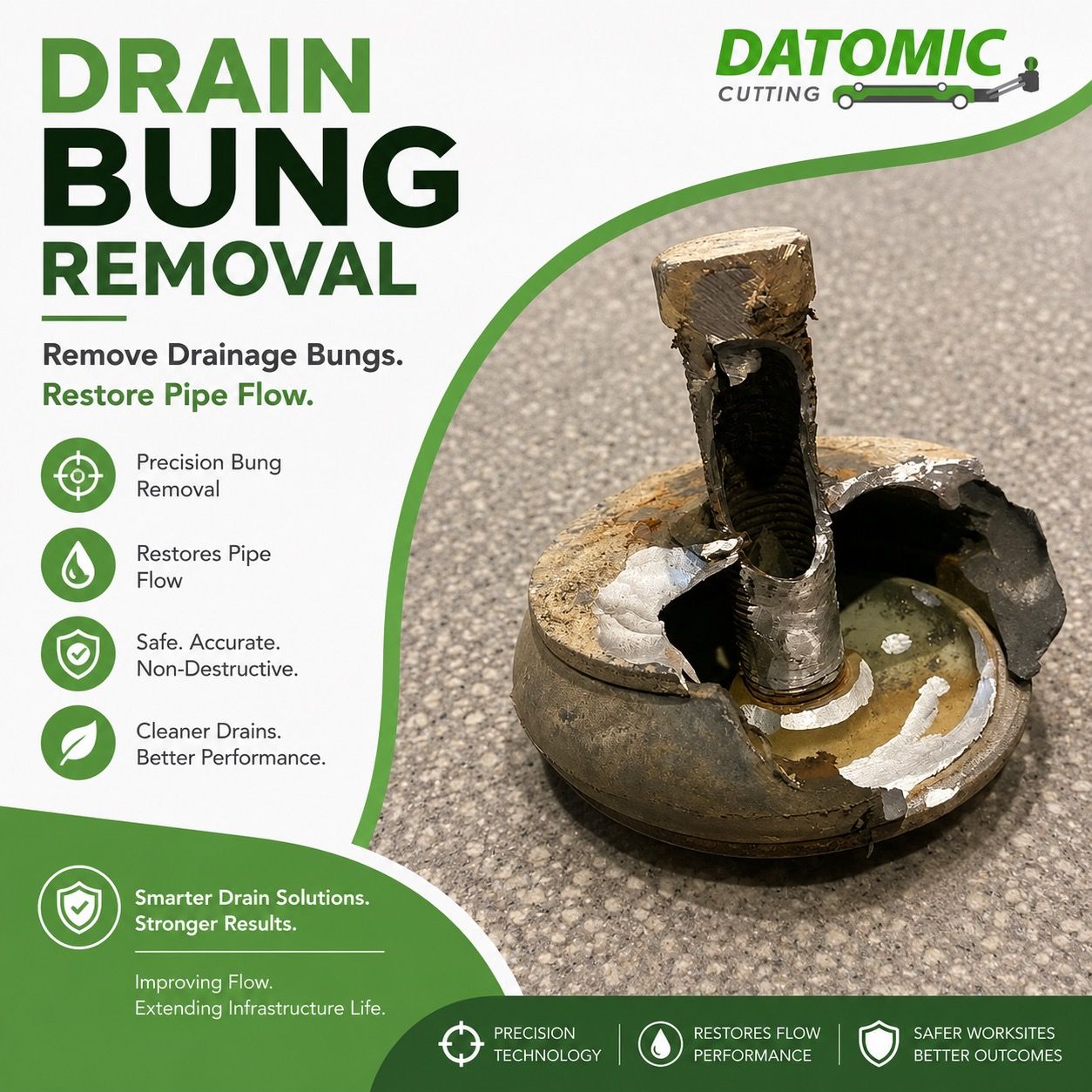
How Remote Cutting Can Remove Drain Bungs
June 22, 2026
Understanding the process of how remote cutting can remove drain bungs and how choosing the right provider makes the difference.
Streicher CL80 Cutter
June 14, 2026
Understanding The Streicher CL80 is a pneumatic robotic cutter designed for trenchless sewer rehabilitation and drainage maintenance applications.
Drainage Lateral Cutting
June 7, 2026
Understanding Lateral cutting a specialist drainage process used to clear blocked or obstructed lateral connections within drains and sewers.
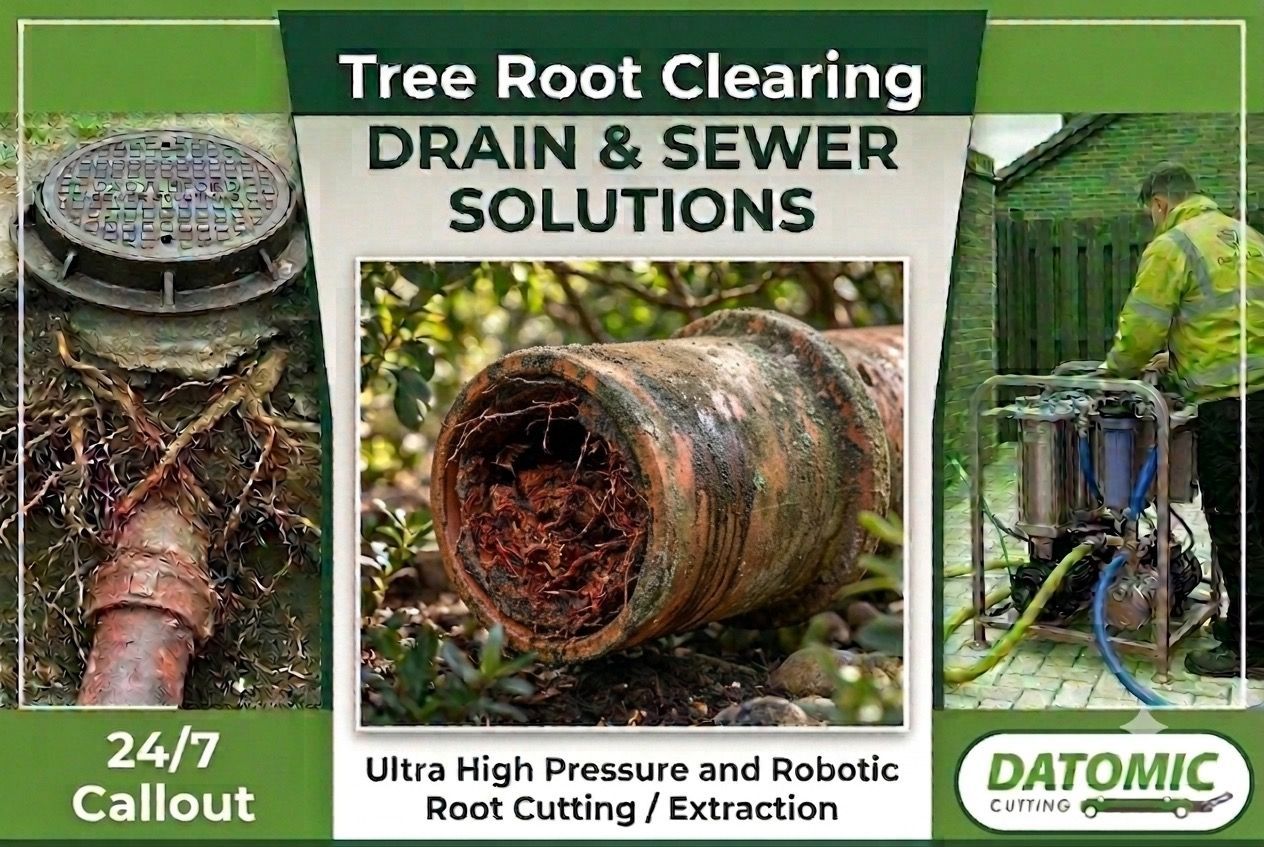
Tree root removal in sewer line
May 31, 2026
Tree roots blocking a sewer line require immediate action to prevent severe damage and backups. Solutions range from professional hydro and mechanical augering
Commercial Sewer Unblocking
May 24, 2026
Understanding strategies for clearing blockages in Sewer systems using robotics and high pressure jetting, to clear and repair or replace any damaged pipework.
Fat Blocked Drains & Sewers
May 10, 2026
Understanding a fatberg is essentially a solid, rock-like mass found in sewer systems made of congealed fats, oils, and grease often blocked with wet wipes.
Understanding Drain Rehabilitation
May 1, 2026
Understanding robotic sewer rehabilitation, a specialised form of drain repair that uses remote robotic equipment to fix pipes—without digging up the ground.
trenchless drain repair, trenchless drain cutting, trenchless solutions
April 27, 2026
Trenchless drain repair is a "no-dig" method for fixing pipes, sewers, and drains without excavating. Trenchless solutions are "keyhole surgery" for drainage