
What Causes Concrete Blockages in Underground Pipework?

April 27, 2026

The Hard Truth: What Causes Concrete Blockages in Underground Pipework?

Concrete and cement are the most formidable enemies of a functional drainage system. Unlike soft clogs made of grease or hair, a concrete blockage effectively turns your plumbing into a solid geological formation. Understanding how this happens—and when to call for reinforcements—is essential for any property owner.


Common Causes of Concrete Intrusion

Most concrete blockages are the result of "wash-down" errors during construction or renovation.

  • Renovation Slurry: When tools, buckets, or mixers are cleaned over floor drains or outdoor gullies, the heavy particles settle in the "U-bend" or low spots of the pipe.
  • Self-Levelling Compounds: These modern liquids are designed to flow perfectly flat, which makes them incredibly dangerous for pipes. They can travel deep into a sewer line before hardening into a glass-smooth, impenetrable barrier.
  • Structural Defects: In older pipework, cracks or displaced joints can allow wet concrete from nearby fence post installations or foundation work to seep directly into the drainage string from the outside.

When is Professional Intervention Required?

While a homeowner might clear a minor silt clog with a plunger, hardened concrete requires industrial-grade force. Professional intervention is mandatory in the following scenarios:

  1. Zero Flow: If a drain is completely backed up and won't budge with a standard snake, the concrete has likely "cured" across the full diameter of the pipe.
  2. Suspected Structural Damage: Concrete is heavy and expands slightly as it cures; this can split PVC pipes or shatter clay ones. Professionals use CCTV drain surveys to assess if the pipe is still salvageable.
  3. Deep System Blockages: If the cement has reached the main sewer line, specialized robotic cutters or ultra-high-pressure water jets are needed to grind the material away without destroying the surrounding infrastructure.


Ultimately, concrete removal is a race against time. The moment you suspect cement has entered your system, consulting a commercial drainage expert is the only way to avoid a full-scale excavation.

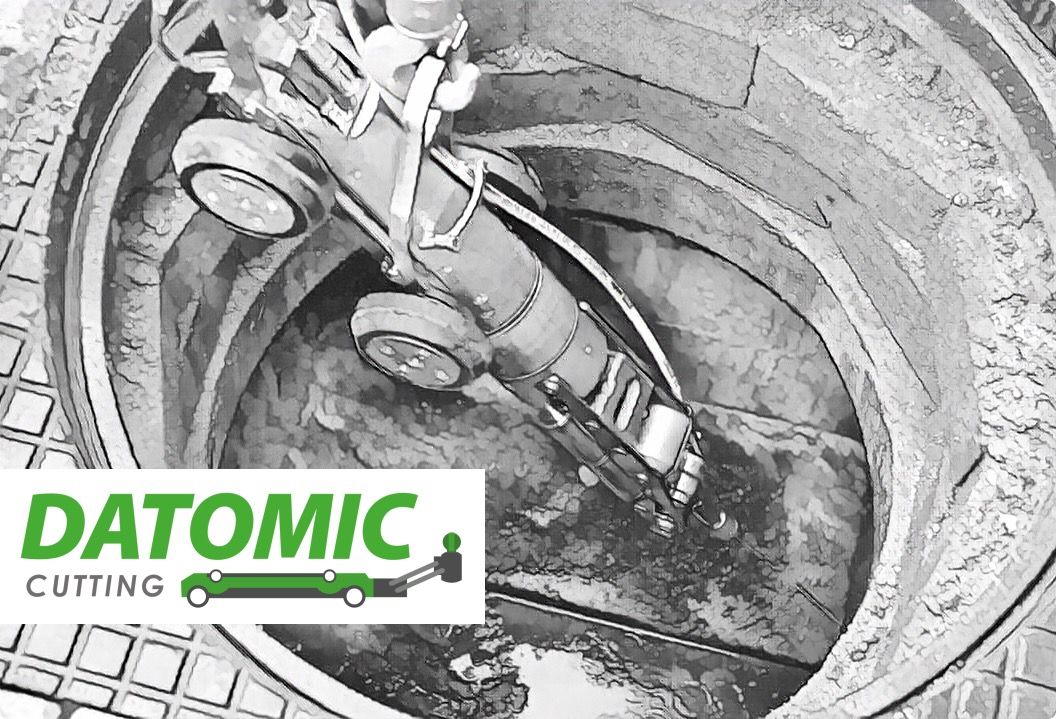
Understanding Concrete Removal in Drains, Sewers and Underground Pipework
By Darren Mack April 27, 2026
How to Remove Concrete from Drains, Sewers, and Underground Pipes Concrete blockages in sewer lines are among the most challenging drainage issues to resolve. Whether it’s wet cement, grout, or self-levelling compounds washed down during a renovation, these materials can quickly transform from a liquid nuisance into a rock-hard obstruction. If left untreated, concrete restricts water flow, causes backups, and can eventually crack your pipework. Here is everything you need to know about identifying and removing concrete from your drainage system. Common Causes of Concrete Blockages Most concrete-related drainage issues occur accidentally during construction or home DIY projects. Common culprits include: Construction Runoff: Cement or mortar washed into floor drains. Renovation Debris: Grout and adhesive from tiling projects. Vandalism: Rare, but deliberate disposal of materials into external manholes. Can You Remove Concrete from Drains Yourself? For very minor, recent incidents where the material is still wet, you may be able to mitigate damage: Flush with Water: Use large volumes of water immediately to prevent the cement from settling and hardening. Softening Agents: Mild, biodegradable cement-softeners are available for surface cleaning. Warning: Never use harsh acids or unapproved chemicals. These can corrode your pipes (especially older lead or pitch-fibre pipes) and contaminate local groundwater. If the water stops draining entirely, stop immediately and call a professional. Professional Concrete Removal Techniques Once concrete has hardened, standard plunging or DIY snakes will not work. Professional drainage engineers utilise specialised technology to clear the line without digging up your garden. 1. CCTV Drain Surveys Before any work begins, a CCTV drain survey is essential. A high-definition camera is fed into the pipe to pinpoint the exact location, thickness, and density of the concrete. This prevents guesswork and ensures the right equipment is used. 2. High-Pressure Hydro-Blasting & Hydro-Cutting This is the gold standard for concrete removal. Using computer-controlled, ultra-high-pressure water jets, engineers can: Precision Cutting: The water jet acts like a blade, carving through the concrete. Safe Removal: It breaks the concrete into small fragments that can be flushed out without damaging the pipe walls. Eco-Friendly: This method uses no chemicals, making it the safest choice for the environment. 3. Mechanical Descaling In some instances, specialised robotic cutters are used to "grind" away the concrete. This is particularly effective for thick blockages in larger commercial sewer lines.  When Excavation is Necessary In severe cases where the concrete has caused the pipe to fracture or collapse, excavation and pipe replacement may be the only permanent solution. Professional drainage engineers can handle these complex repairs, ensuring the system is reinstated to modern safety standards. Final Thoughts Early detection is key. If you suspect concrete has entered your system, a swift professional assessment can save you thousands in excavation costs. Are you dealing with a stubborn blockage? Contact a drainage specialist today for a CCTV survey and restore your flow.
trenchless drain repair, trenchless drain cutting, trenchless solutions
By Darren Mack April 27, 2026
Trenchless drain repair is a "no-dig" method for fixing underground pipes, sewer lines, and drains without excavating. Acting as "keyhole surgery" for drainage