Understanding Fat, Oil and Organic Buildup in Drains and Sewers
Dealing with Fat, Waste Oil and Organic Buildup in Drains & Sewers
Fat, oil and organic buildup blocking underground pipelines are a growing problem across the UK’s drainage and sewer systems, causing costly damage, environmental issues, and major disruptions to homes and businesses. Often referred to as a fatberg, a fatberg is a large, solid mass formed when fats, oils, and grease (sometimes referred to as FOG) are poured down sinks and drains, where they cool and congeal. Over time, these sticky substances bind with non-biodegradable waste such as wet wipes, sanitary products, and food debris, creating dense blockages inside pipes.
What is a Fatberg?
A fatberg is essentially a solid, rock-like mass found in sewer systems made primarily of congealed fats, oils, and grease that have bonded with non-biodegradable household waste, most notably wet wipes which are a common problem in sewage lines
Where would you be most likely to find Fatbergs?
The problem of fatbergs is particularly severe in urban areas, where high population density leads to increased pressure on sewer networks. Once formed, fatbergs restrict water flow, causing slow drainage, unpleasant odours, and in extreme cases, sewer overflows and flooding. These incidents can damage property, disrupt businesses, and pose health risks due to exposure to contaminated water.
- One of the key causes of fatbergs is improper waste disposal. Many people are unaware that pouring cooking oil or grease down the drain—even in small amounts—can accumulate over time. Unlike water, these substances do not easily wash away; instead, they cling to pipe walls and harden, gradually narrowing the passage for wastewater.
Can you remove fat buildup, oil and organic deposits in drainage?
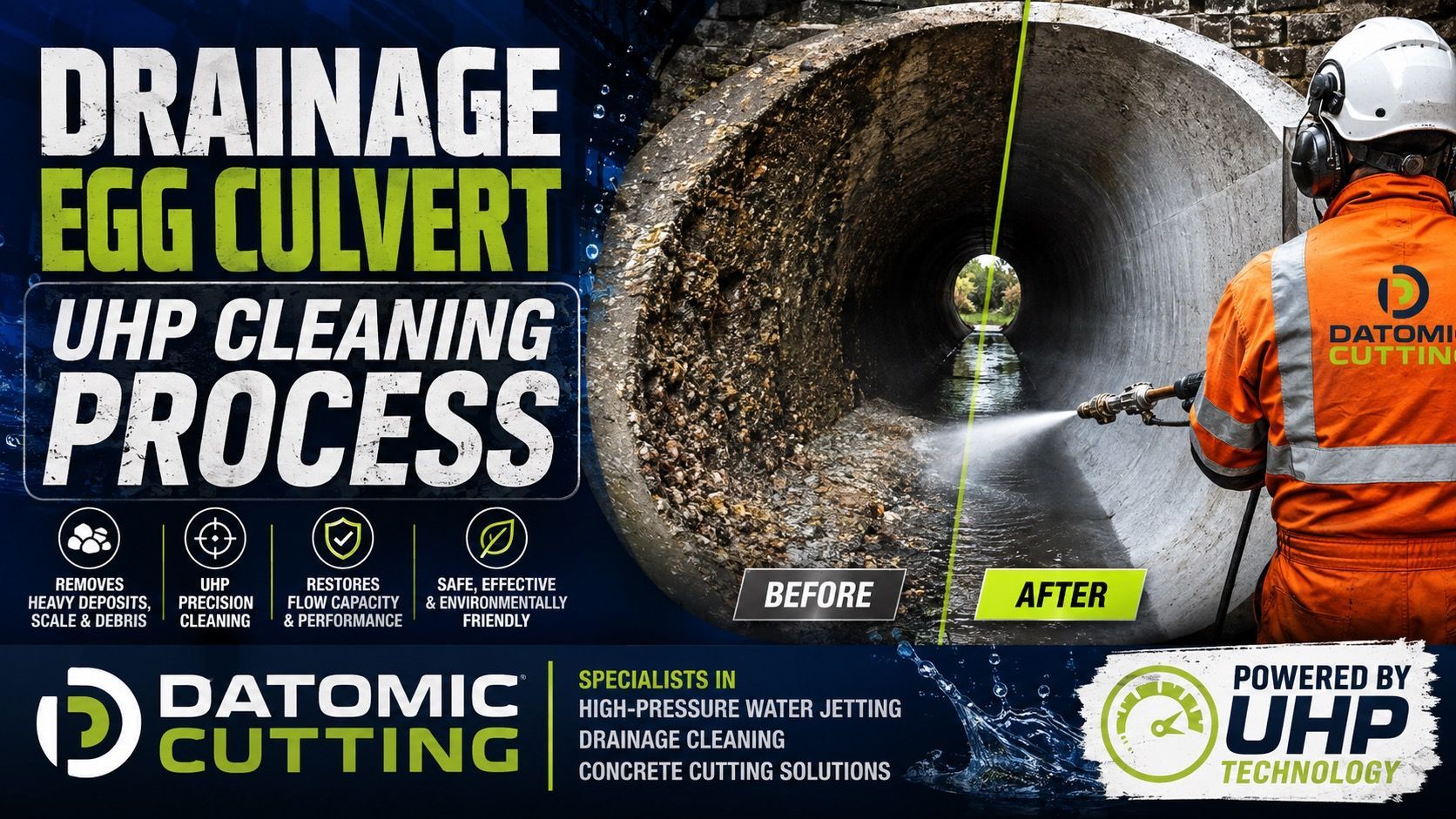
This is not an issue that can be resolved by a domestic household and needs professional help; commercial drainage companies use advanced techniques and specialist equipment to remove blockages and restore pipe functionality. High-pressure and ultra-high-pressure water jetting is one of the most effective methods, using powerful streams of water to break apart fatbergs and flush debris through the system safely. This method is both efficient and environmentally friendly, as it avoids the need for harsh chemicals.
Warning: Never use harsh acids or unapproved chemicals. These can corrode your pipes (especially older lead or pitch-fibre pipes) and contaminate local groundwater. If the water stops draining entirely, stop immediately and call a professional.
Professional Robotic Cutting and Drainage Fat Removal Techniques
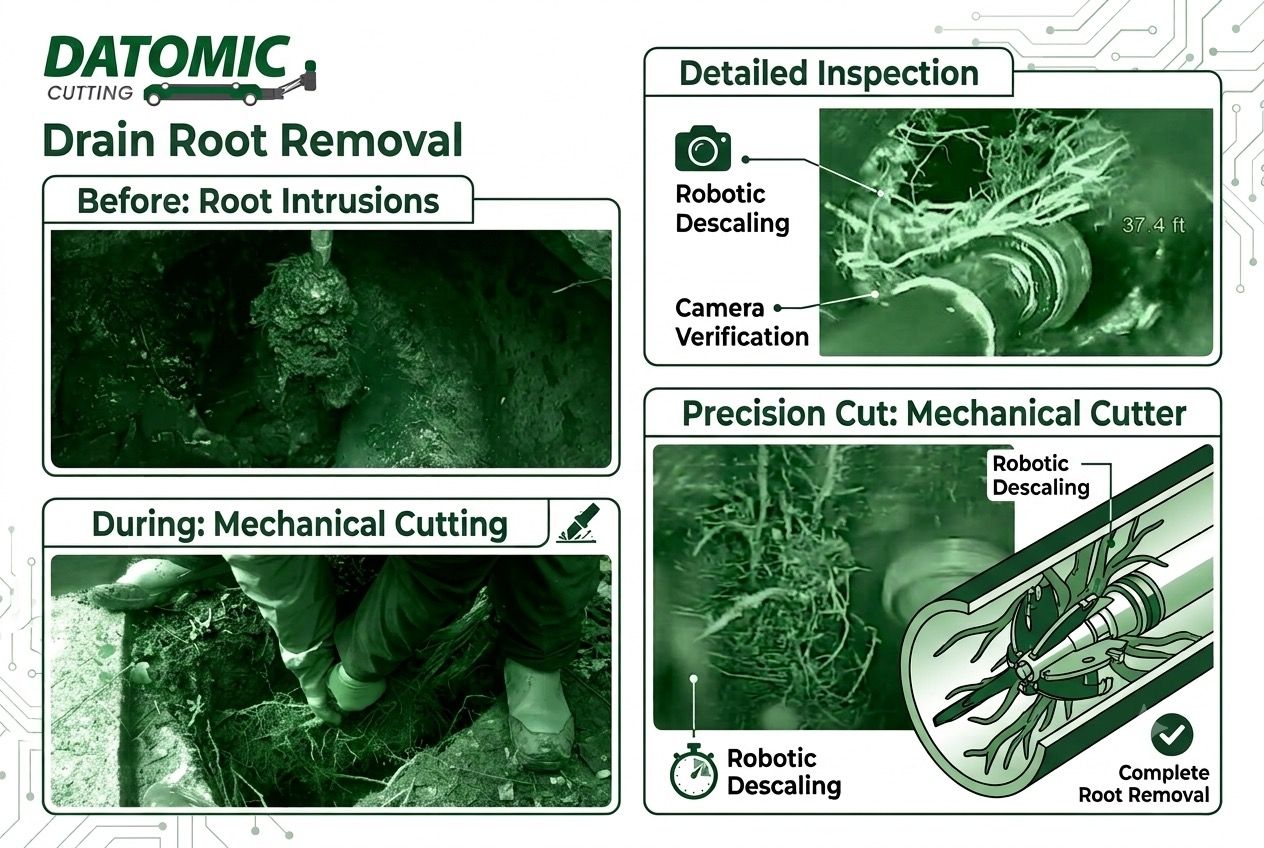
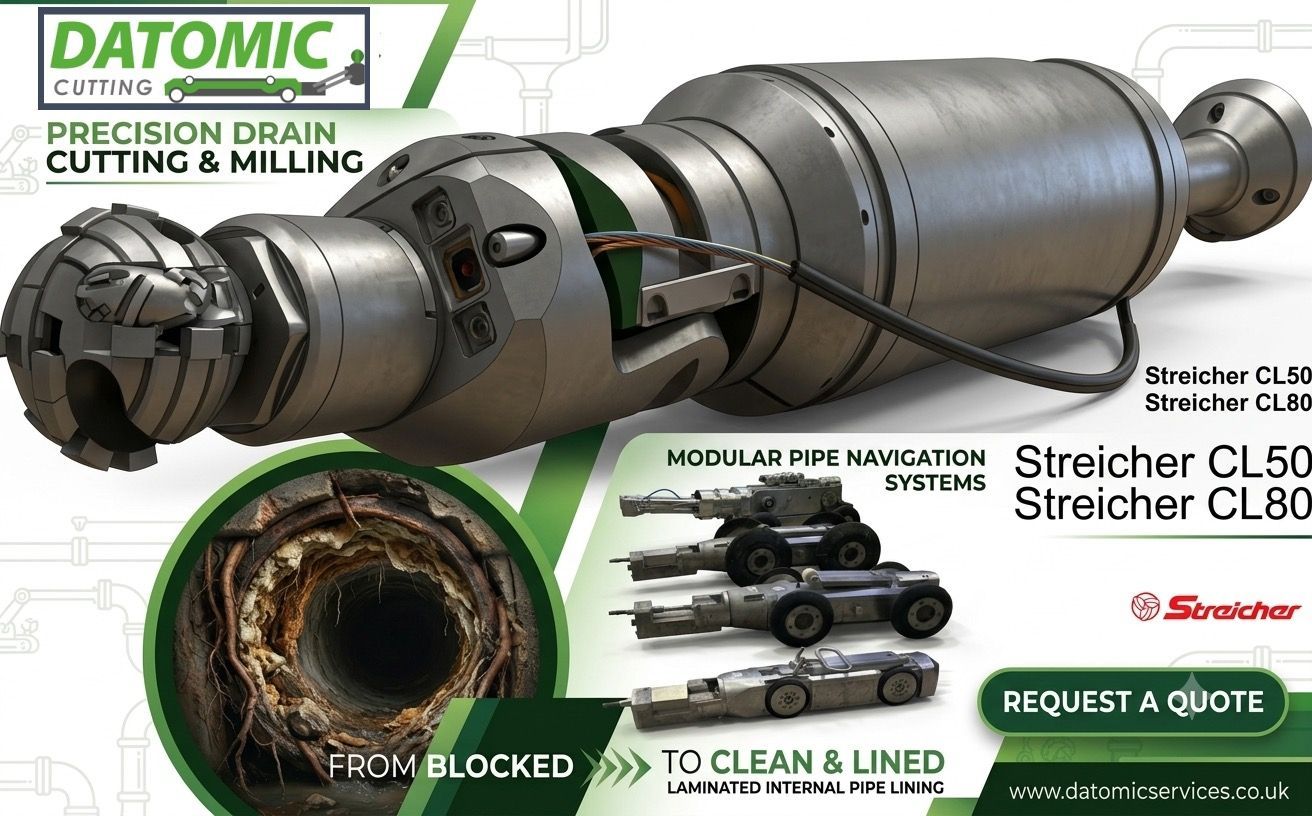
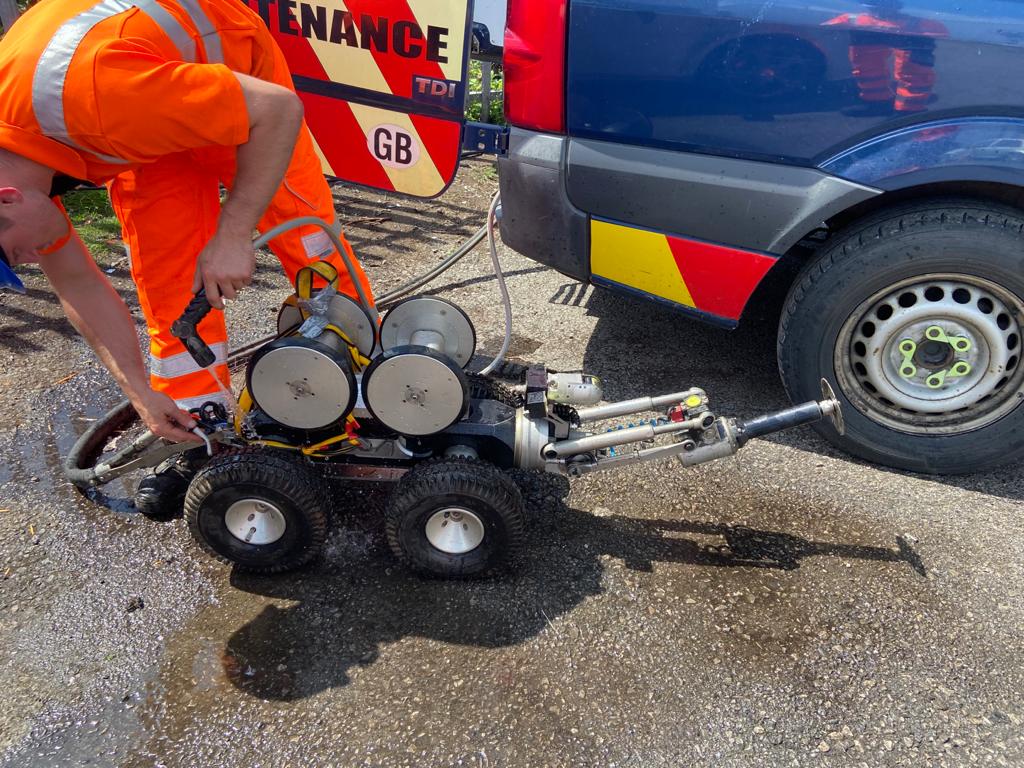
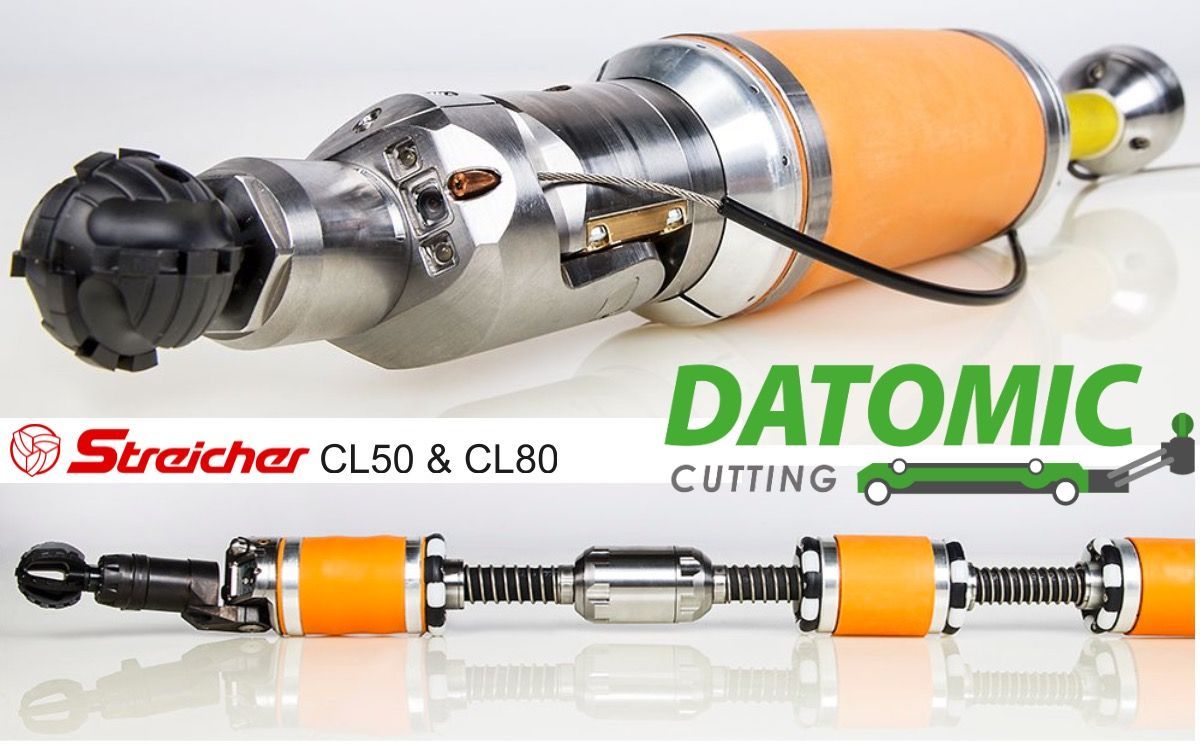
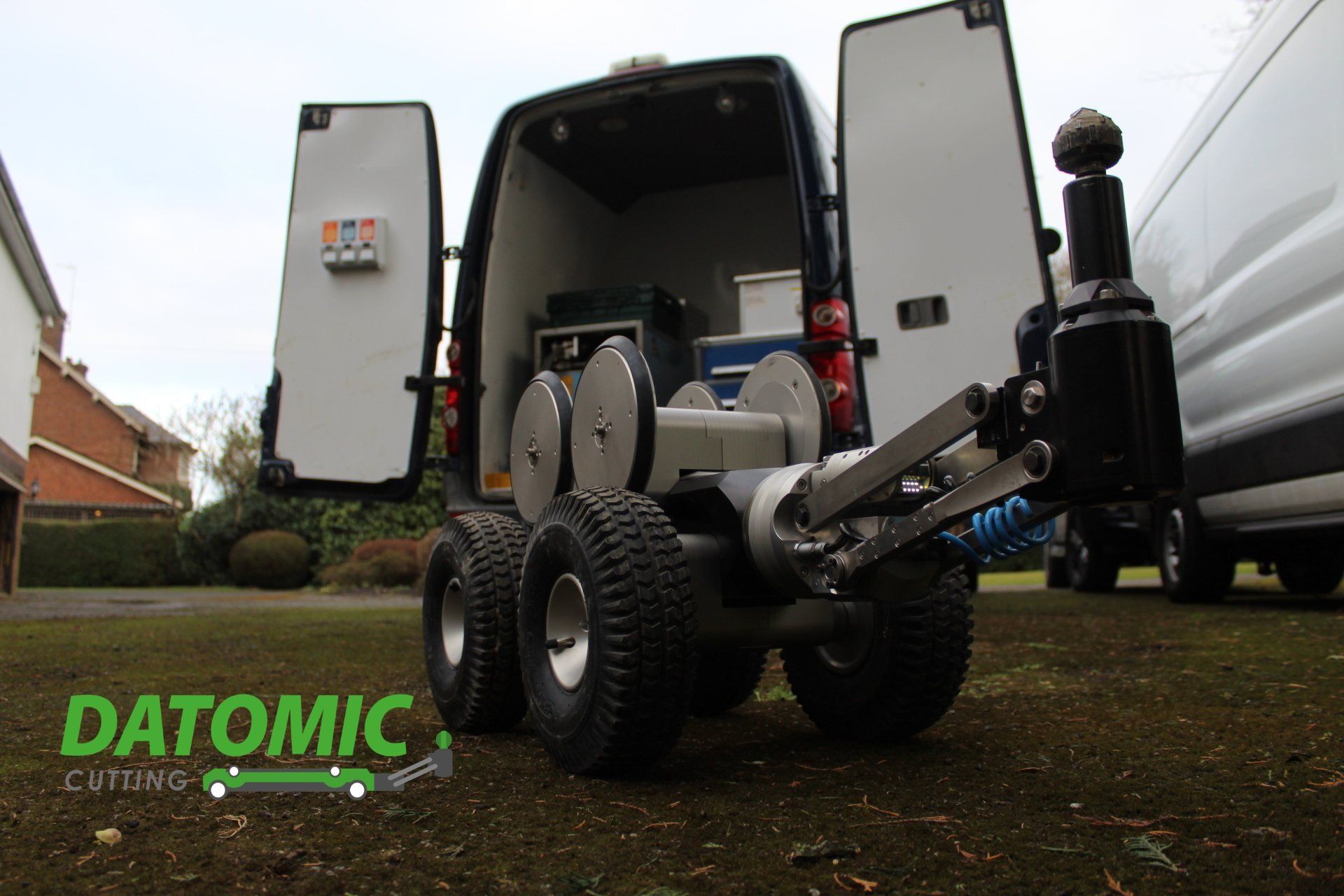
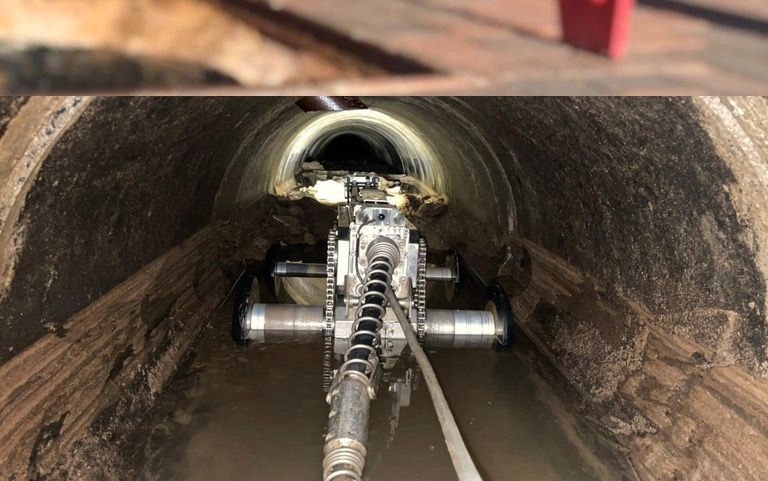
In more severe and commercial cases, drainage engineers deploy robotic cutting tools equipped with cameras. These robots can navigate complex pipe networks, identify the exact location and size of a blockage, and mechanically cut through hardened masses. This precision reduces the need for excavation and allows for quicker, less disruptive repairs.
Are Fatbergs a Major Issue in the UK ?
Fatbergs are massive, concrete-like blockages in sewers and drains formed primarily from congealed fats, oils, and greases (FOG) mixed with non-flushable items like wet wipes, sanitary products, and other debris. They are a widespread problem in many urban sewer systems, especially in the UK, but also in the US, Australia, and elsewhere.
Annual Costs in the UK
The UK has some of the most detailed and frequently cited data on fatbergs, as the issue gained notoriety there with high-profile cases.
- Water utilities/water companies spend an estimated £80–100 million per year clearing around 300,000 sewer blockages nationwide. Some sources cite figures up to £200 million when including broader impacts like repairs, flooding response, and environmental cleanup.
- Thames Water (serving London and the Thames Valley) is the most affected: it reports clearing ~75,000 blockages annually at a cost of around £40 million per year. Fats, oils, and greases (FOG) account for over 20,000 of these (about 28%), contributing significantly to the total. The company has historically quoted ~£1 million per month for blockage clearance in its area.
- Other examples: Scottish Water spends over £7 million annually on blockages (often linked to wipes and FOG). Earlier estimates for Thames Water alone were around £12 million.
Final Thoughts
By combining cutting-edge technology with preventative maintenance, commercial drainage services play a crucial role in keeping the UK’s sewer systems flowing efficiently and reducing the long-term impact of fatbergs.