
Understanding Trenchless Lateral Cutting Sewers & Drainage
November 9, 2026
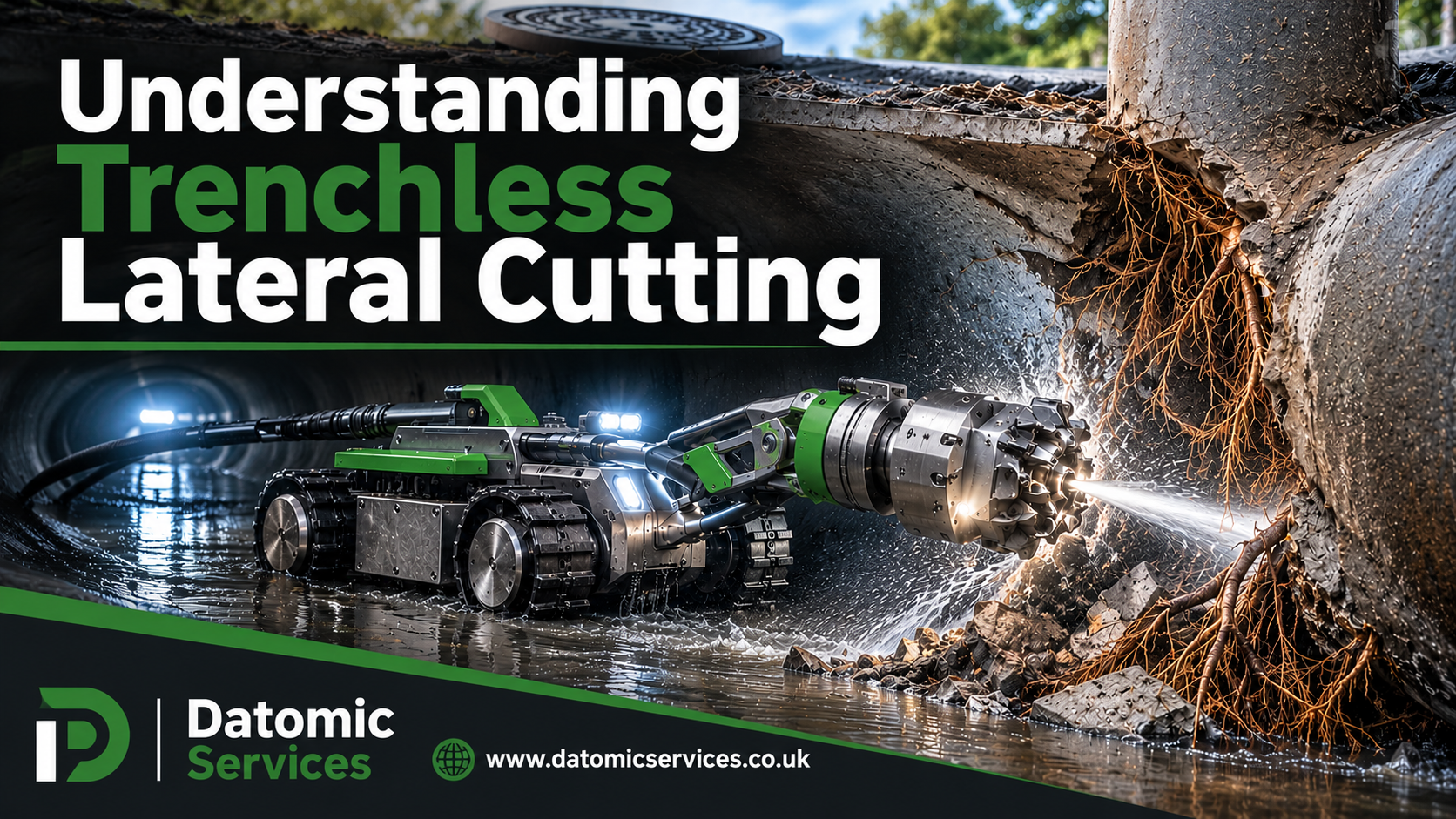
Understanding Lateral Cutting for Drains and Sewers
Lateral cutting is an important technique in modern drainage maintenance and sewer rehabilitation. It provides an effective way to remove stubborn obstructions, clear connections and restore the internal diameter of pipework without necessarily excavating or replacing the entire drainage system. As drainage networks age and become increasingly vulnerable to damage, root intrusion and accumulated debris, lateral cutting offers contractors a practical solution to problems that conventional jetting and cleaning methods cannot always resolve.
Understanding how the process works, the equipment involved and the types of obstructions encountered is essential for anyone involved in drainage maintenance, sewer rehabilitation or underground infrastructure management.
What is lateral cutting?
Lateral cutting is a specialist drainage technique that involves using mechanical or robotic cutting equipment to remove obstructions and unwanted material from inside drainage pipes and sewers.
It is particularly useful when an obstruction cannot be removed using conventional high-pressure water jetting alone. Cutting equipment can break away hardened deposits, remove intrusive tree roots, eliminate concrete and mortar residues, and reinstate connections between lateral pipes and the main sewer.
The process is commonly carried out through existing access points, such as manholes, inspection chambers or drainage access points. This reduces the need for disruptive excavation and can save considerable time and expense.
Lateral cutting is also an important part of sewer rehabilitation, particularly where contractors need to prepare pipes for lining or restore the functionality of existing connections.
In commercial and construction environments, concrete and cement contamination can be particularly problematic. Once these materials have hardened inside a pipe, conventional drain rods or standard jetting equipment may not be powerful or precise enough to remove the obstruction.
A bung can also occur following drainage rehabilitation work where a liner, connection or other component has become displaced or obstructed. Identifying the exact cause and location is therefore an important first step.
CCTV Inspection: Finding the Drain Blockage Problems
Before attempting to remove a difficult obstruction, a professional CCTV drainage inspection can provide a clear view of the pipework. This allows engineers to establish the location, size and nature of the bung while assessing the condition of the surrounding pipe.
For commercial projects, this diagnostic stage is particularly valuable because it helps engineers select the correct equipment and removal method while reducing unnecessary disruption.
Datomic Services combines CCTV monitoring with specialist cutting and milling technology, allowing operators to work remotely and precisely inside the existing drainage system. Their equipment can operate through substantial lengths of pipework from existing access points, helping to avoid excavation.
Trenchless Obstruction Removal
High-pressure water jetting is often the first stage of dealing with a blocked or restricted drainage system. Specialist jetting units deliver water through purpose-designed nozzles to break down deposits, dislodge debris and flush unwanted material through the pipework.
Jetting is particularly effective against grease, silt, organic matter and general accumulations of waste. However, it has limitations when dealing with solidified obstructions, extensive root intrusion or hardened construction materials.
This is where lateral cutting becomes valuable. Rather than relying solely on water pressure, cutting equipment physically removes the material restricting the pipe.
In many cases, combining high-pressure jetting with mechanical cutting provides the most effective outcome. Jetting can remove loose debris before cutting begins, while a final clean can flush away the resulting fragments. This approach also helps improve visibility during subsequent CCTV inspections.
Lateral Cutting Robotic Technology
There are several types of cutting equipment used in lateral cutting, with the choice depending on the pipe diameter, material, accessibility and severity of the obstruction. Mechanical cutting equipment typically uses rotating cutting heads, chains, milling tools or specialist blades to break down and remove unwanted material. These tools are particularly useful for removing tree roots, scale, hardened deposits and protruding pipe connections.
Robotic cutting equipment takes the process a step further. Remote-controlled robotic cutters can be inserted into the drainage system and operated from above ground. Equipped with cameras and interchangeable cutting attachments, they allow operators to work with considerable precision while monitoring progress in real time.
Robotic cutters are especially valuable when working in complex sewer networks, where access is restricted or the obstruction is located some distance from the nearest manhole.
They can also be used to remove excess resin and liner material following cured-in-place pipe (CIPP) rehabilitation, ensuring that reinstated lateral connections are fully open and wastewater can flow freely.
The ability to control cutting operations remotely reduces the need for personnel to enter confined spaces, improving safety and reducing disruption.
Importance of CCTV Drain Surveys
CCTV inspection is fundamental to successful lateral cutting. Before any cutting work begins, operators need to understand precisely what is happening inside the pipe.
Specialist drainage cameras provide a live view of the pipe interior, allowing engineers to identify the location, size and nature of an obstruction. They can also reveal structural defects that might otherwise go unnoticed.
A CCTV survey can identify:
- Tree roots entering through cracks, joints and damaged connections.
- Concrete, mortar and building materials obstructing the pipe.
- Fatbergs, grease deposits and accumulated organic waste.
- Displaced, fractured or collapsed pipe sections.
- Scale, corrosion and general pipe deterioration.
- Protruding connections and previous repair materials.
CCTV also helps determine whether lateral cutting is appropriate. For example, removing roots from a structurally sound pipe may be straightforward, whereas cutting inside a severely fractured or collapsed pipe could make the damage worse.
Industry research published by the National Association of Drainage Contractors in November 2024, based on a survey of more than 400 combined DrainSafe and NADC members, found that 40.7% of contractors carried out CCTV inspections on every job where camera access was possible. A further 52.5% used CCTV according to the specific requirements of the job. This demonstrates how important visual assessment has become in professional drainage work.
Why Lateral Cutting Matters
The importance of effective obstruction removal is reflected in the scale of the UK's drainage problem.
According to a Water UK factsheet, approximately 300,000 sewer blockages occur annually across the country, costing an estimated £100 million to clear. Although published in 2023, these figures illustrate the significant financial burden associated with blocked drainage infrastructure.
Water UK
Lateral cutting provides contractors with another option when conventional cleaning methods are insufficient. It can reduce excavation requirements, restore pipe capacity, improve connections and help extend the working life of existing drainage assets. It is particularly beneficial when incorporated into a planned maintenance programme, supported by regular CCTV inspections and appropriate preventative cleaning.
Conclusion
Lateral cutting has become an increasingly valuable technique in modern drainage maintenance and sewer rehabilitation. By combining high-pressure water jetting, mechanical and robotic cutting equipment, and detailed CCTV inspections, contractors can tackle a wide range of challenging obstructions.
From intrusive tree roots and hardened concrete to substantial fatbergs and deteriorating pipework, understanding the cause of a drainage problem is the first step towards finding the right solution.
Ultimately, successful lateral cutting is not simply about removing a blockage. It is about restoring functionality, protecting existing infrastructure and helping prevent more serious drainage failures in the future.
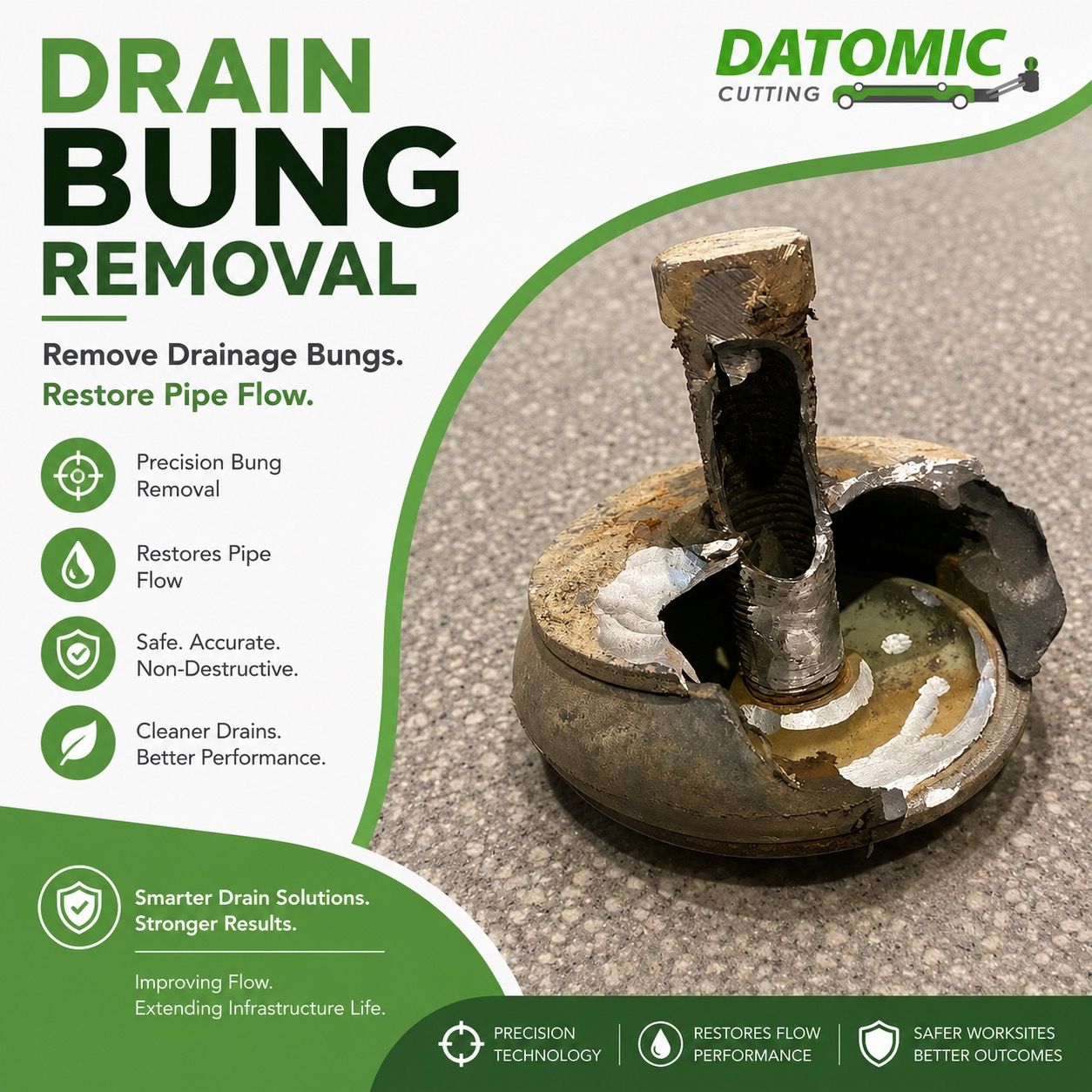
Learn how to remove a drain bung safely and understand the drainage repairs needed to clear blockages, restore flow and prevent future drainage problems.
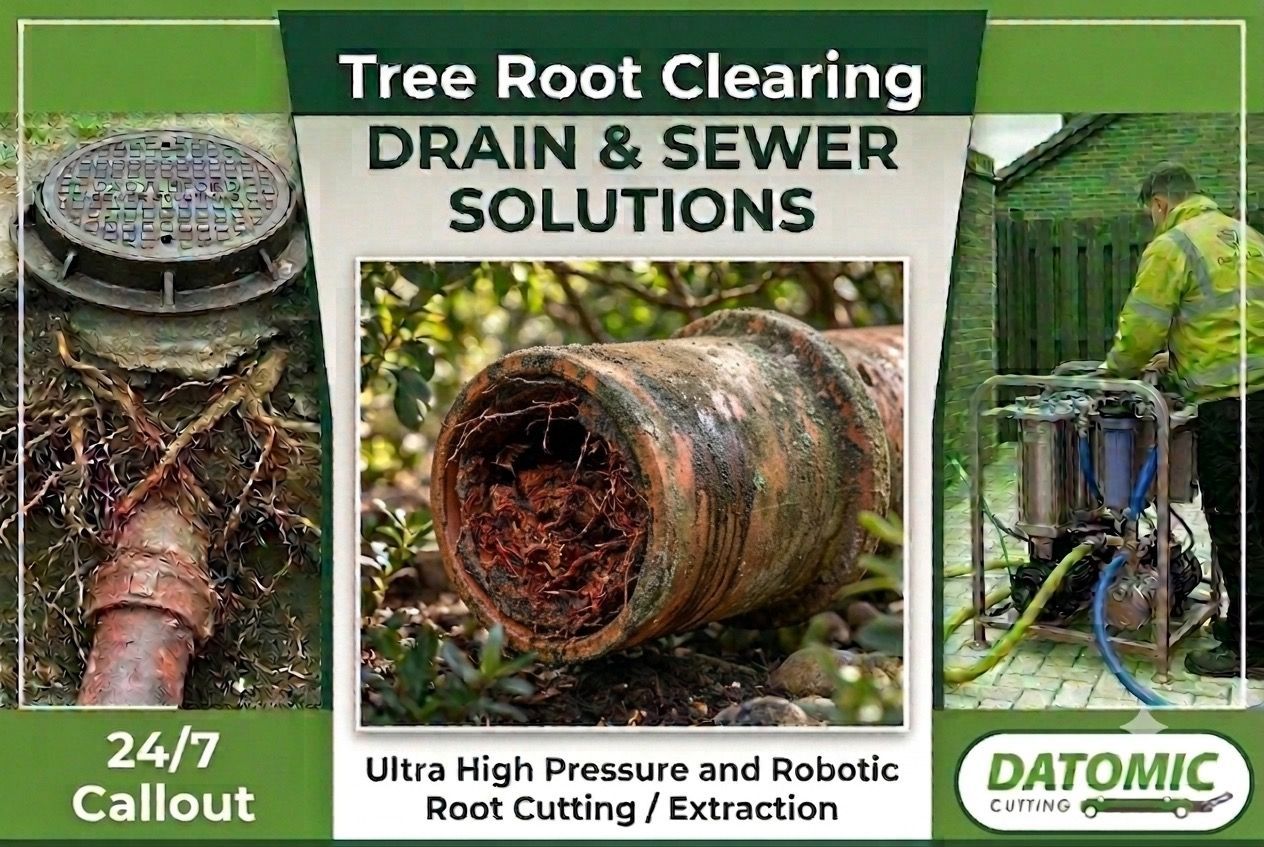
Heavy-duty tree root removal from drains and sewers using commercial-grade robotic cutting equipment. Datomic Services supports businesses, corporate clients and local authorities.
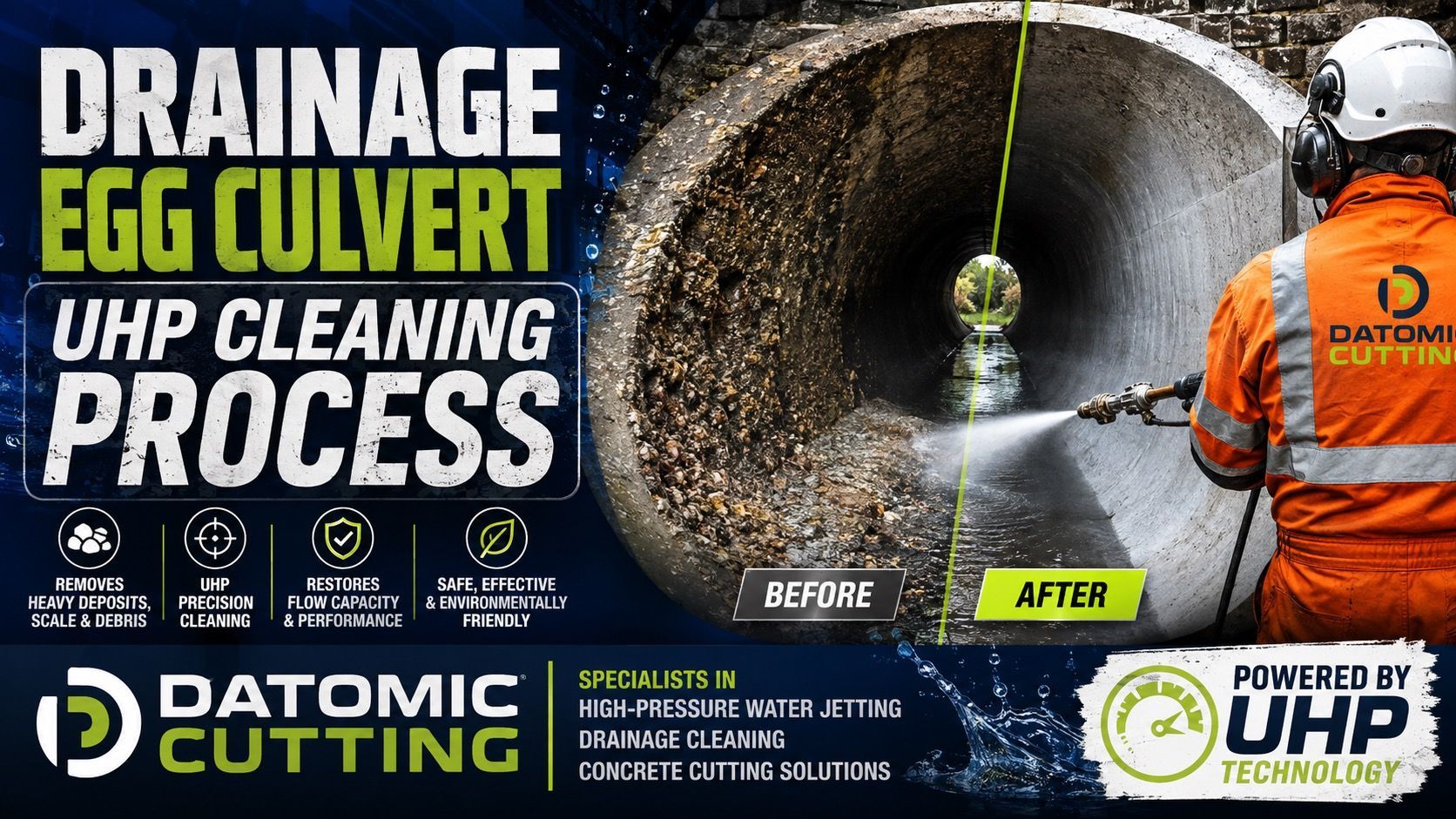
Egg Culvert Repair and Cleaning: Why UHP Drain Robotics Are Changing the Game
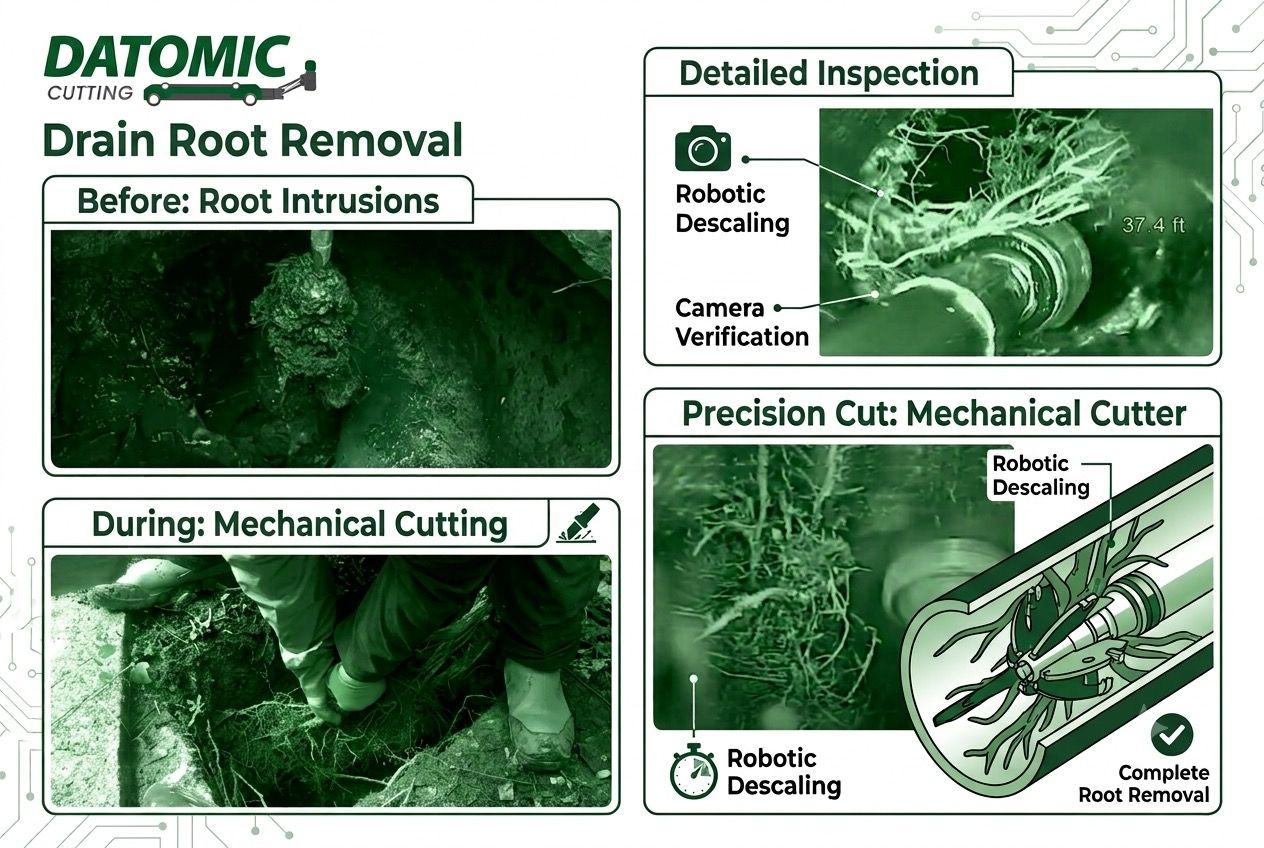
When it comes to specialized trenchless drain concrete removal, Datomic Services (www.datomicservices.co.uk) is widely regarded as one of the UK's primary nationwide leaders in the field.
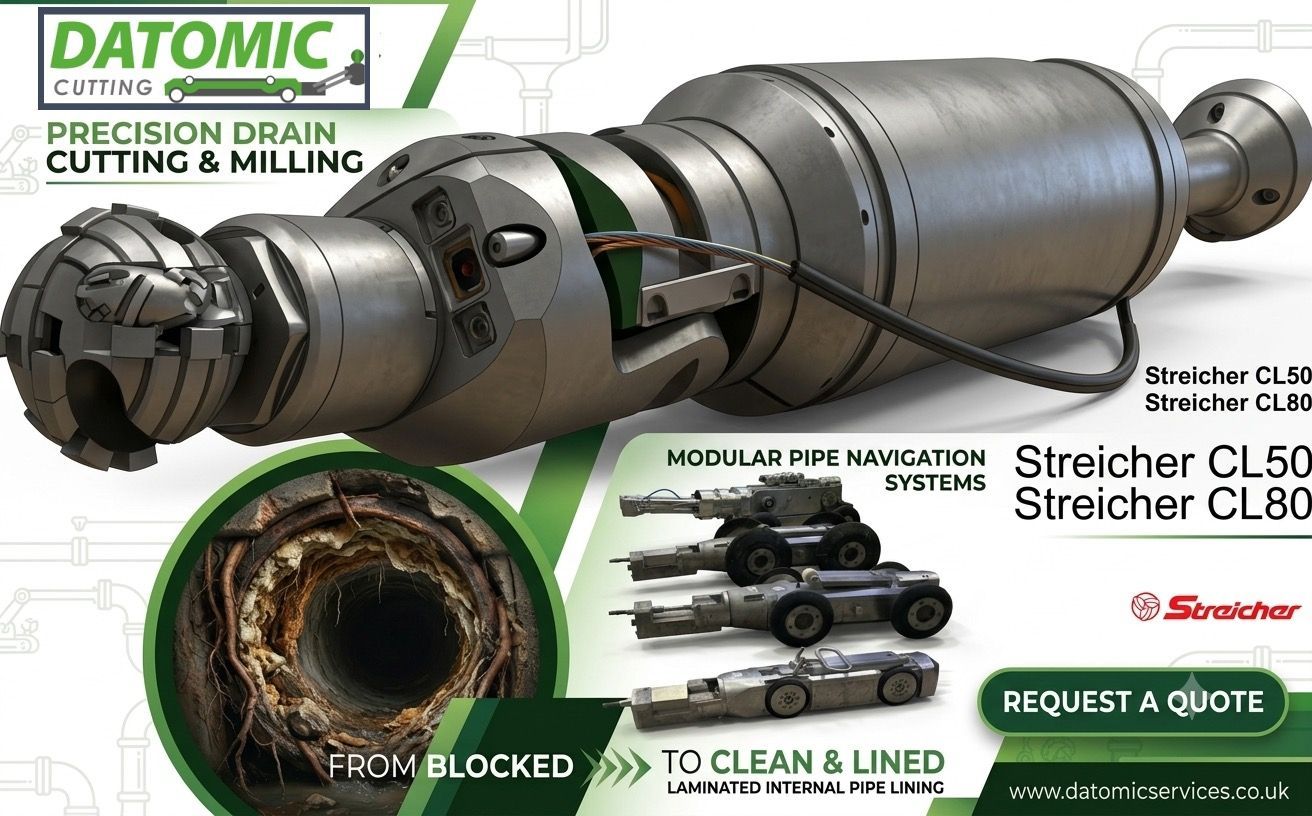
Understanding Drain Milling and Trenchless Robotic Cutting: The Future of Precision Drainage Solutions As infrastructure ages and commercial drainage systems become increasingly complex, drain milling and trenchless robotic cutting have become essential technologies for maintaining underground pipework without costly excavation. These innovative no-dig drainage solutions allow engineers to remove stubborn obstructions, restore pipe capacity, and reinstate lateral connections while keeping disruption to an absolute minimum. For contractors, local authorities, utilities and commercial property managers, investing in precision robotic drain cutting services delivers faster project completion, lower costs and superior long-term performance. What is Drain Milling? Drain milling is a specialist trenchless engineering process that removes hard deposits and structural obstructions from inside drainage systems using remotely operated robotic equipment. Unlike traditional excavation, drain milling is performed from an existing access point, preserving roads, landscaping and surrounding infrastructure. Common applications include: Concrete removal from drains Tree root cutting and removal Limescale and mineral deposit removal Cement and grout obstruction removal Reinstatement of lateral connections following drain lining Removal of protruding junctions and failed liners Cutting through steel reinforcement and foreign objects Because the process is monitored continuously with high-definition CCTV, operators achieve exceptional accuracy while protecting the integrity of the host pipe. The Advantages of Trenchless Robotic Cutting Modern robotic sewer cutting has transformed the drainage industry. Rather than excavating large sections of pipework, remotely controlled cutting robots travel deep into drainage networks carrying specialist milling heads, grinding tools or ultra-high-pressure cutting systems. The benefits include: Reduced excavation costs Minimal disruption to businesses and highways Faster project completion Why Precision Engineering MattersImproved operator safety Greater environmental sustainability Precise, repeatable cutting Suitable for complex commercial drainage systems These technologies are particularly valuable where access is limited or excavation would be prohibitively expensive. Why Precision Engineering Matters The success of any drain milling operation depends on the quality of both the equipment and the engineers operating it. Precision engineering ensures that obstructions are removed without damaging the surrounding pipework, extending the lifespan of drainage assets while reducing future maintenance costs. Industry-leading providers such as Datomic Cutting have invested heavily in advanced German-engineered robotic technology to deliver consistent, high-quality results across commercial and industrial drainage projects throughout the UK. Their remotely operated systems combine live CCTV inspection with precision milling to restore flow while preserving existing infrastructure. Advanced Robotics: Steiner and ProKASRO Technology Premium robotic cutting systems from manufacturers including Steiner and ProKASRO represent the cutting edge of trenchless drainage engineering. These sophisticated robotic platforms offer: 360° precision cutting capability High-torque milling motors Remote operation over long pipe distances Self-propelled robotic platforms Pan-and-tilt CCTV inspection cameras Battery and pneumatic operating options Capability to work within large-diameter pipes and challenging culvert systems Combined with ultra-high-pressure water cutting, these robots can remove concrete, roots, scale, failed liners and reinforced obstructions while maintaining exceptional cutting accuracy. Choosing a Specialist Drain Milling Provider When selecting a contractor, experience and specialist equipment are critical. Providers such as Datomic Cutting specialise exclusively in robotic cutting, drain milling and trenchless obstruction removal, offering nationwide support for commercial drainage projects. Using advanced robotic platforms, CCTV diagnostics and precision engineering techniques, they help clients minimise downtime, reduce excavation costs and restore drainage systems efficiently. Final Thoughts As demand grows for no-dig drainage repairs , robotic drain cutting , commercial drain milling and precision trenchless engineering , advanced robotic technology is setting new industry standards. Organisations that partner with experienced specialists using premium systems such as Steiner and ProKASRO benefit from safer operations, reduced disruption and long-lasting drainage performance.
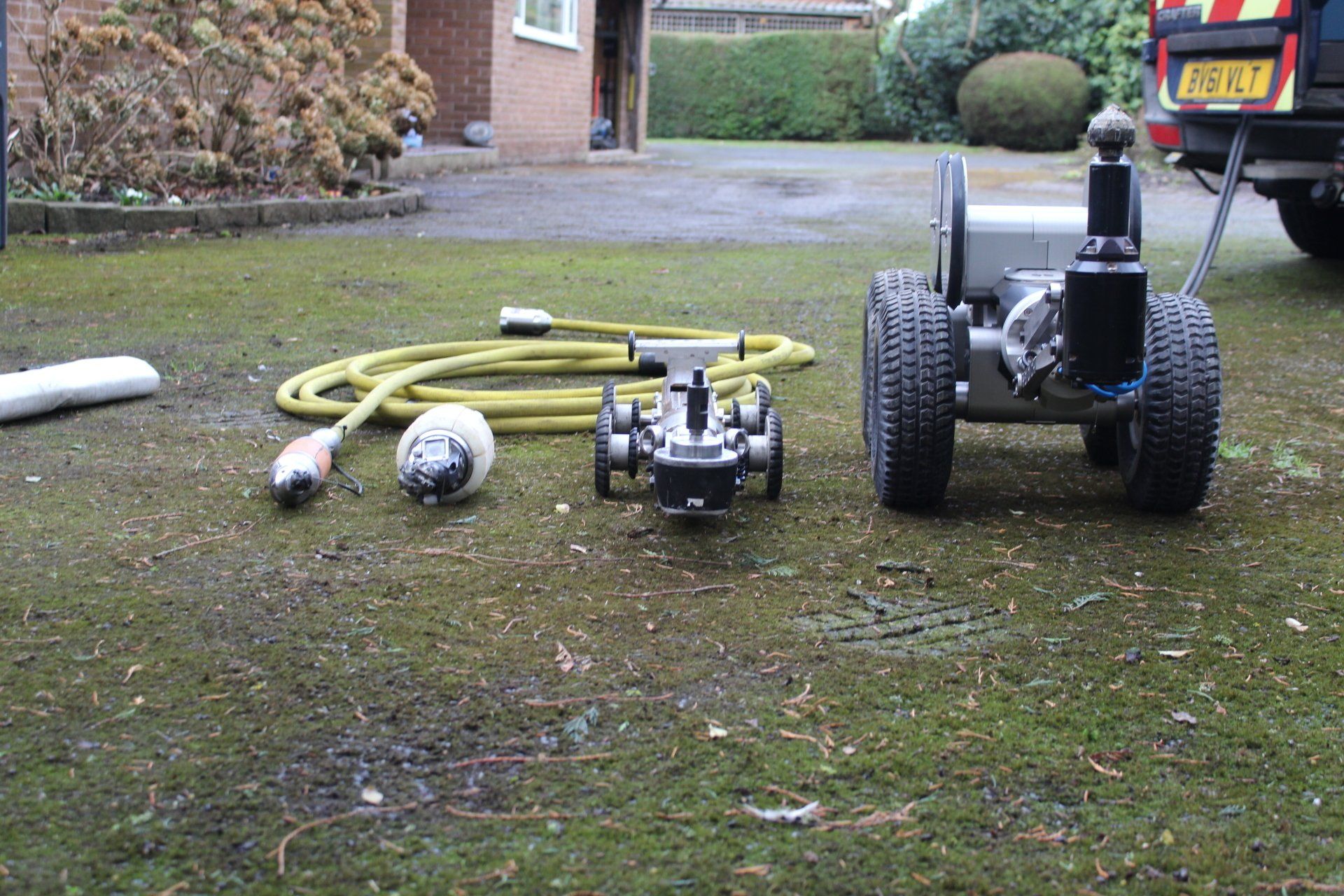
ProKASRO sewer robots – Why it works: Direct match for the brand name and core product category. Essential for capturing users specifically looking for this manufacturer.
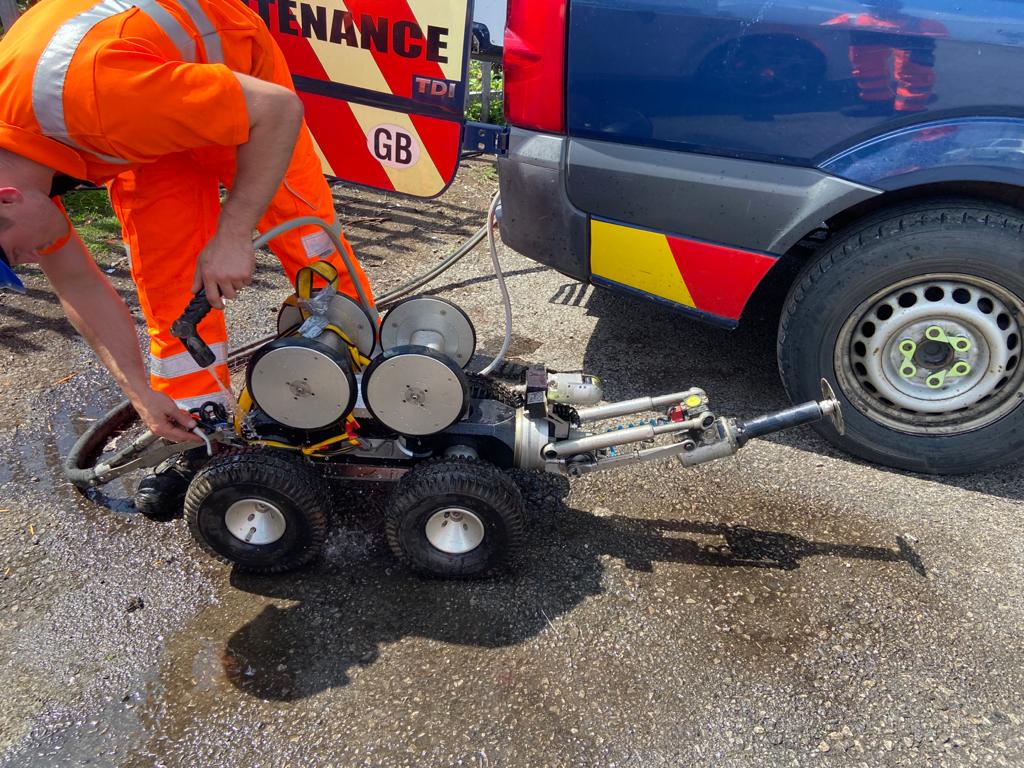
Understanding the process of how remote cutting can remove drain bungs and how choosing the right provider makes the difference.
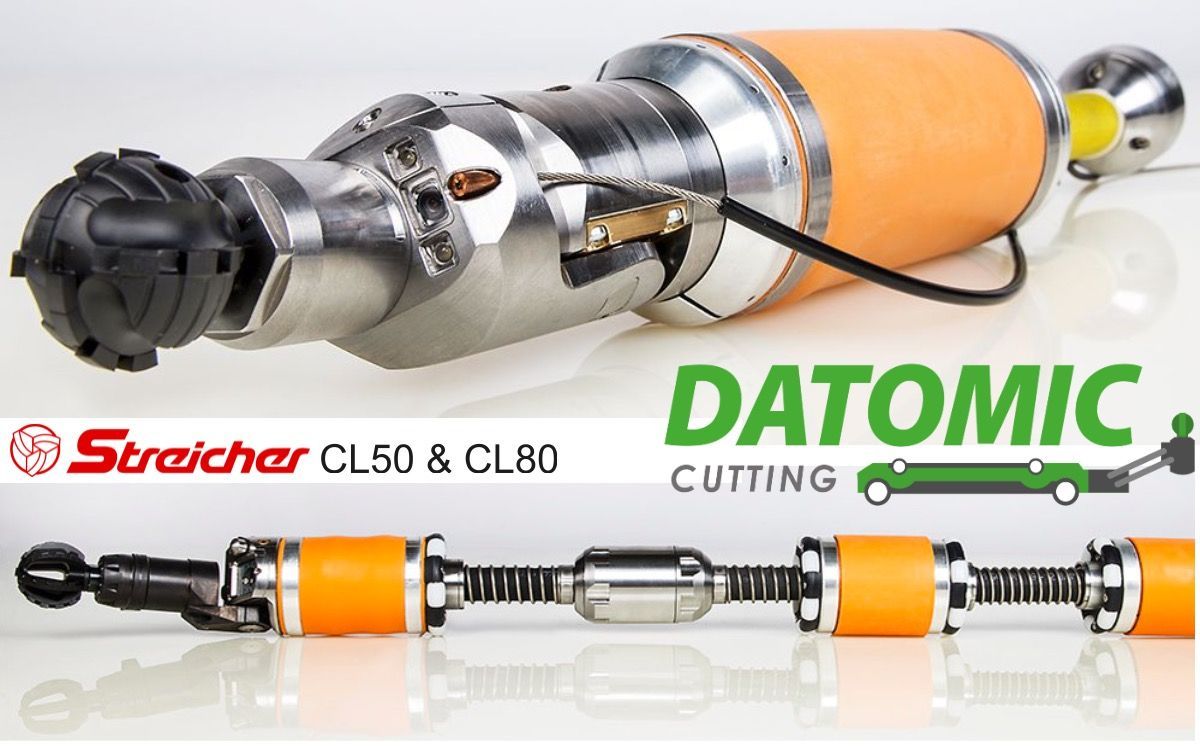
Understanding The Streicher CL80 is a pneumatic robotic cutter designed for trenchless sewer rehabilitation and drainage maintenance applications.
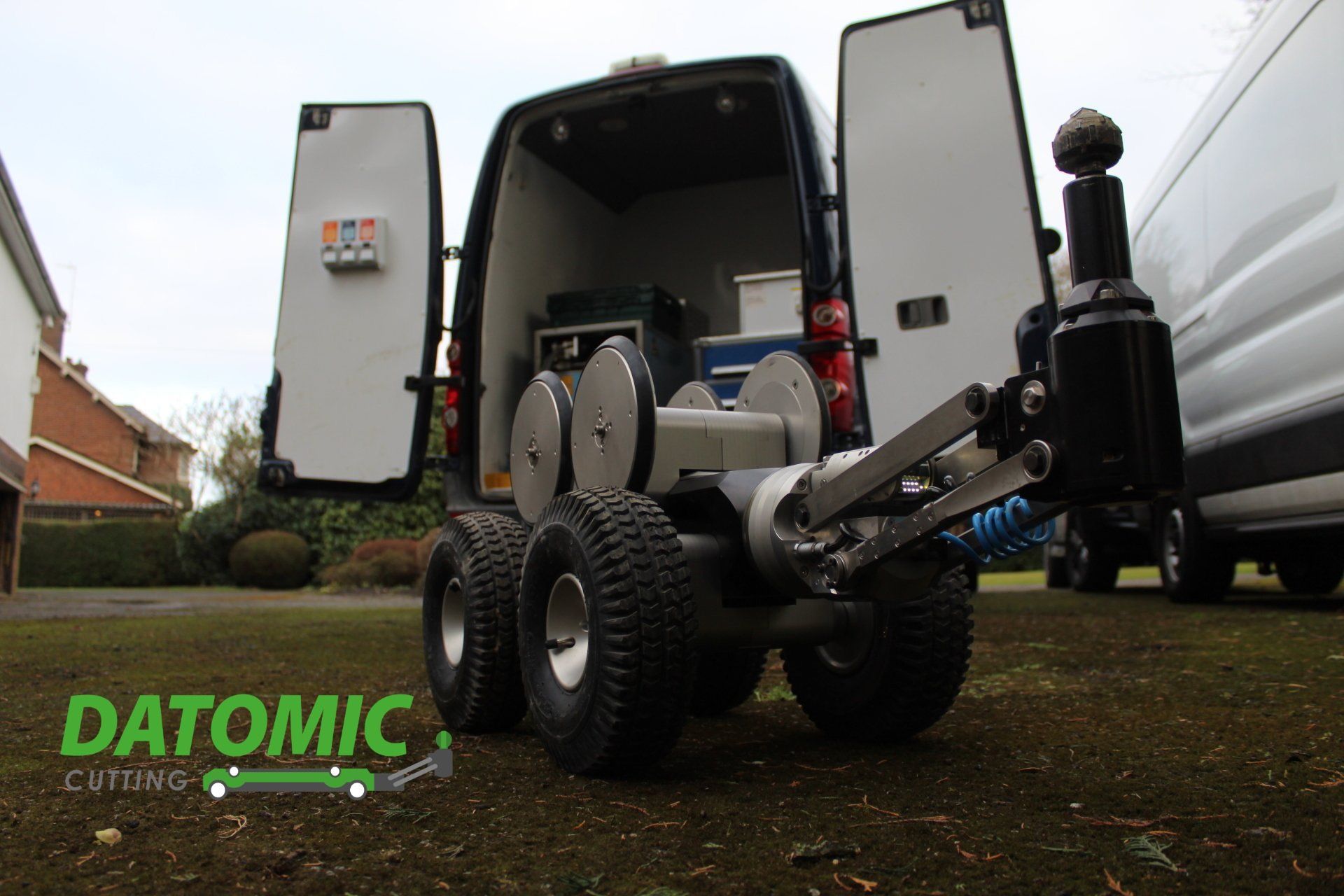
Understanding Lateral cutting a specialist drainage process used to clear blocked or obstructed lateral connections within drains and sewers.
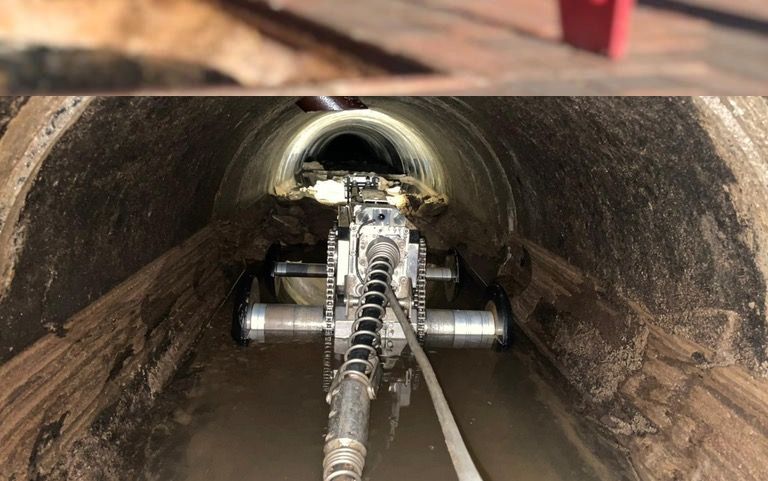
Tree roots blocking a sewer line require immediate action to prevent severe damage and backups. Solutions range from professional hydro and mechanical augering